
Last updated November 2, 2026
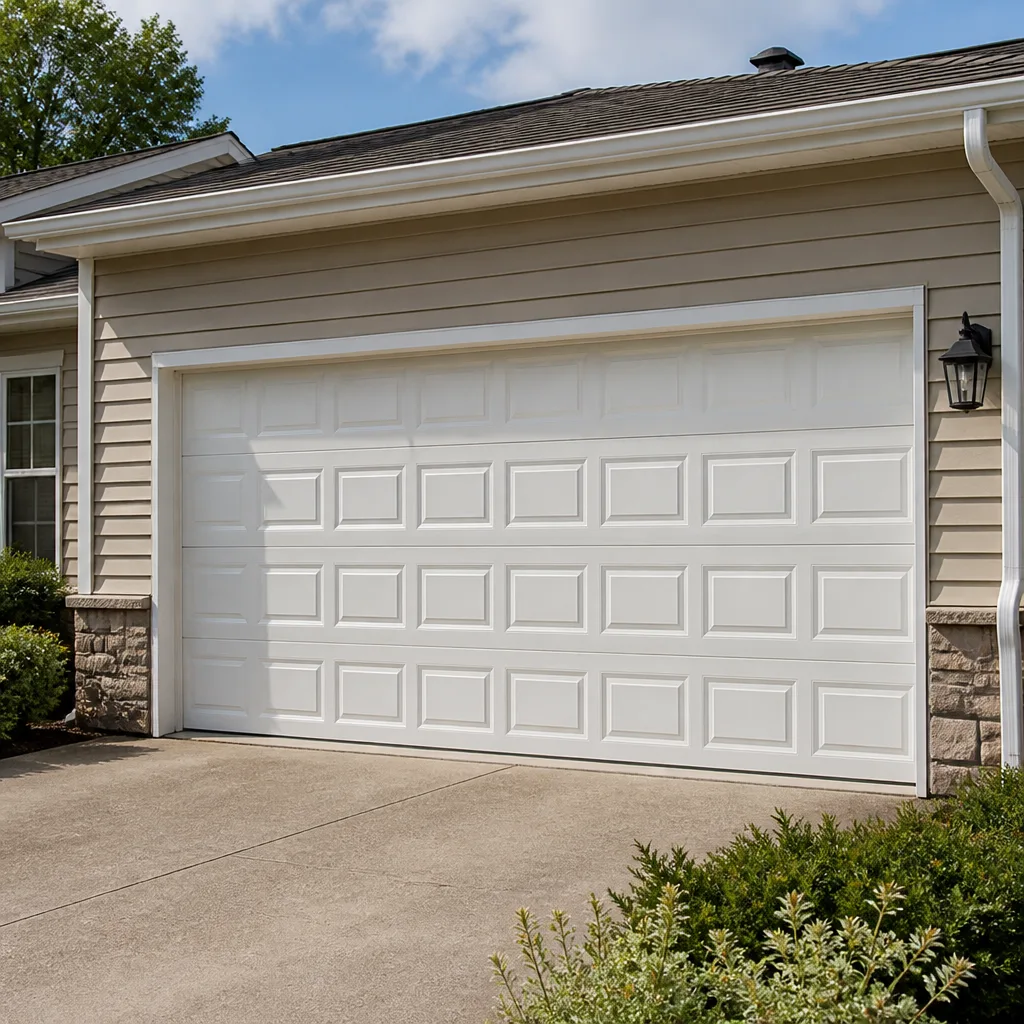 Raised-panel steel
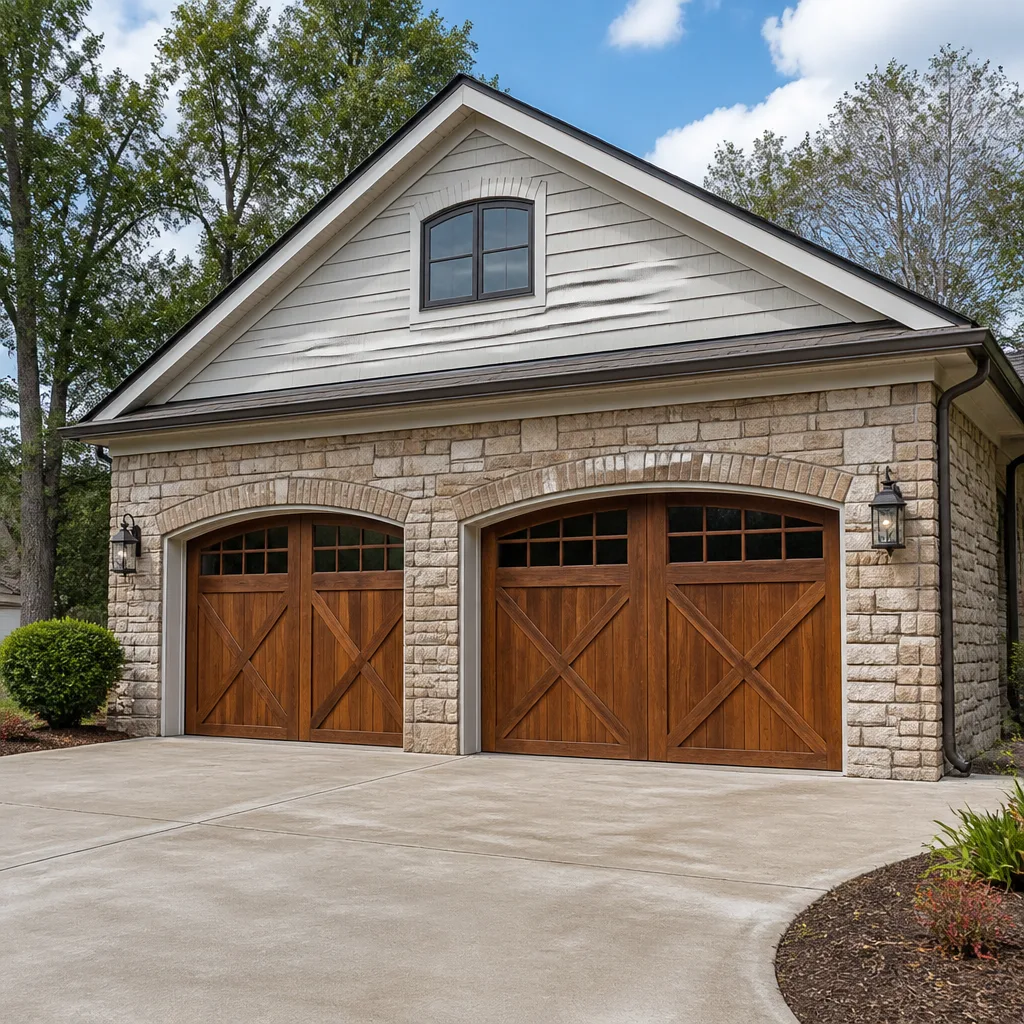 Carriage house
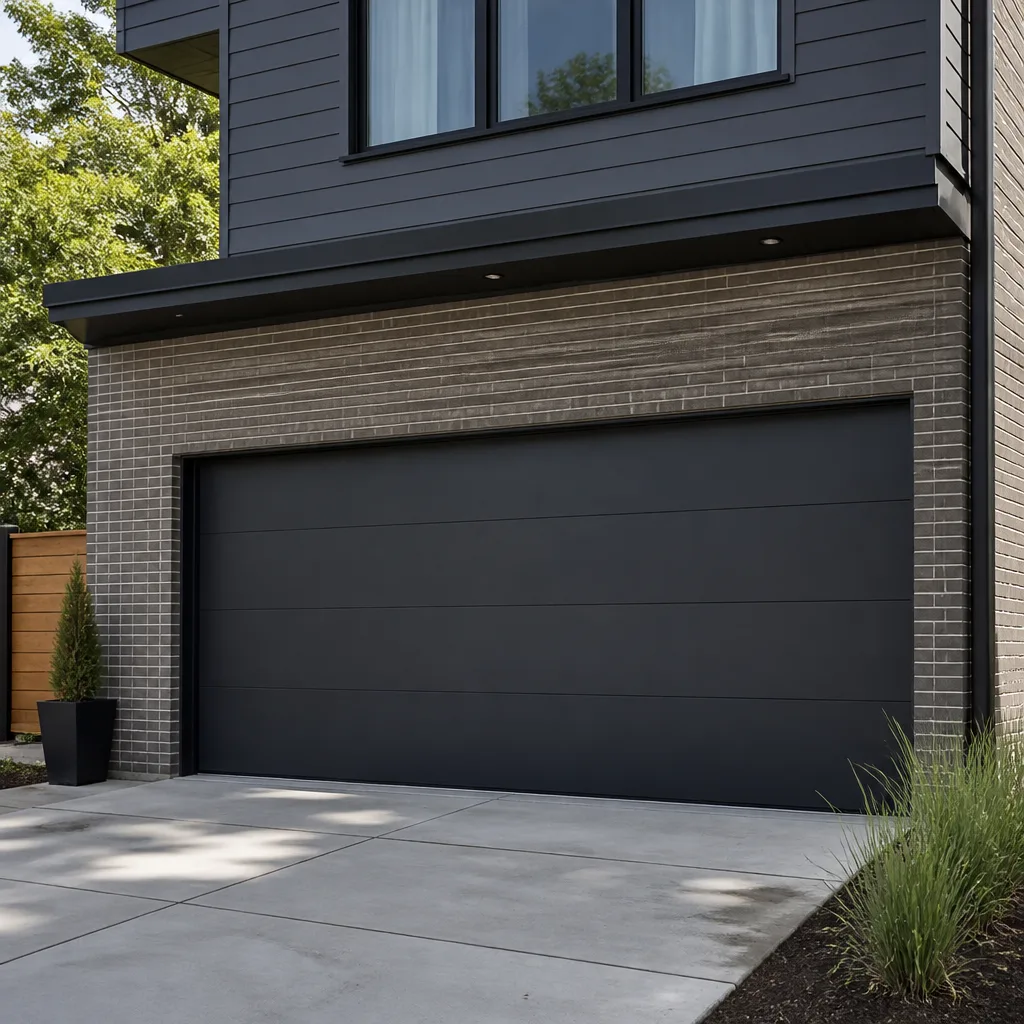 Modern flush
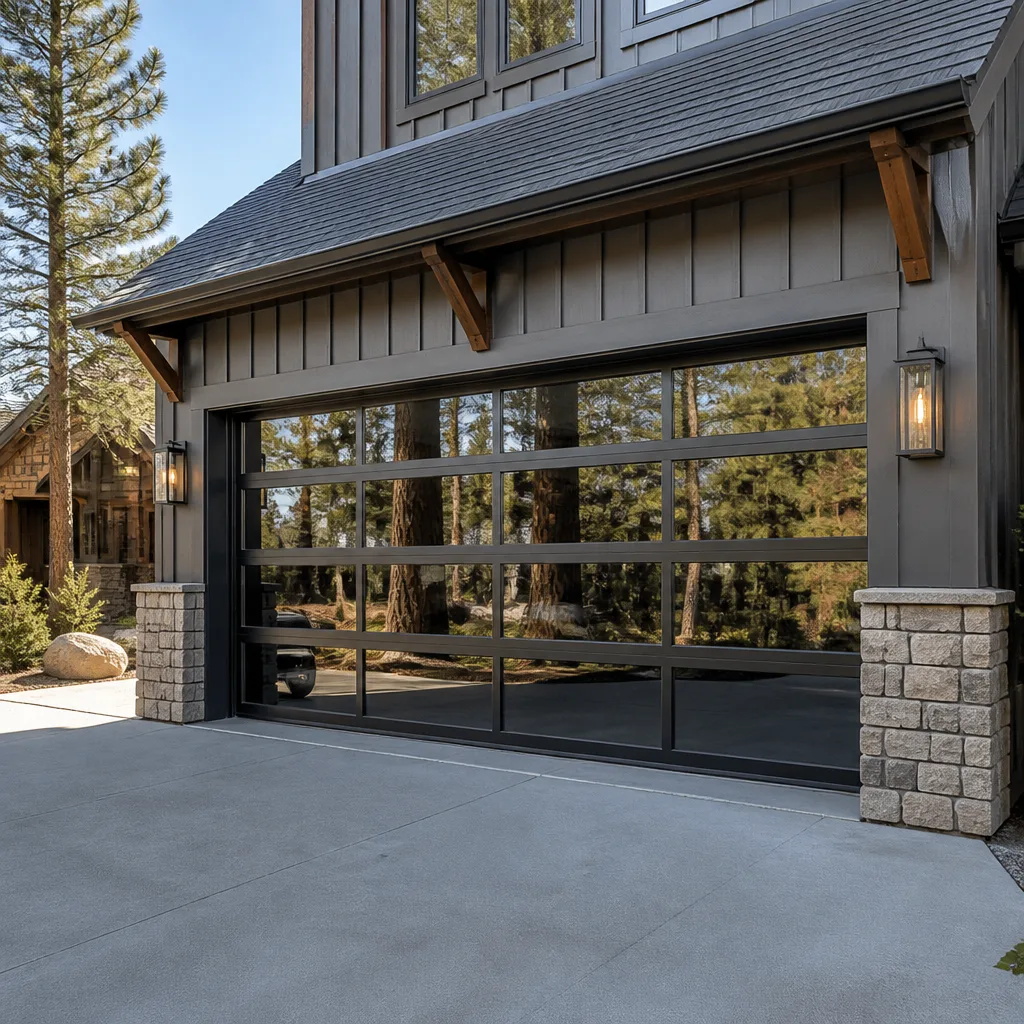 Full-view glass
 LiftMaster openers
 Chamberlain openers
Full 25-point door and opener safety check with every visit - springs, cables, rollers, tracks, and your LiftMaster or Chamberlain opener included
You get a price before we start. It does not change when the truck arrives.
Get your free estimateSeasonal Garage Door Care for Studio City: Year-Round Homeowner’s Guide
Studio City averages over 280 sunny days a year. That sunshine sounds idyllic until you realize what it’s doing to your garage door. UV radiation degrades weatherstripping, fades and warps certain panel finishes, and dries out roller nylon faster than any cold-weather climate ever would. Yet every seasonal maintenance guide you’ll find is written for places with actual winters: snow load, freeze-thaw cycles, road salt. None of that applies here, and following that advice means you’re protecting against problems you’ll never have while ignoring the ones actively shortening your door’s life in Studio City. This guide covers what actually matters year-round in our specific microclimate, from Santa Ana winds to marine layer humidity to fire-season readiness.
Quick Answer
Seasonal garage door care in Studio City revolves around four recurring conditions rather than four calendar seasons: Santa Ana wind events (September through January), marine layer humidity cycles (May through July), intense UV exposure (year-round, peaking June through September), and fire-season evacuation readiness (June through November). The practical routine: inspect and lubricate moving parts every three months, check weatherstripping for UV brittleness twice a year, test opener force settings before Santa Ana season, and clear the door’s path and track area during fire season. A homeowner can handle most inspections in about 20 minutes; the fixes that follow often need a professional with brand-specific parts knowledge.
Styles & brands we work with
- Raised-panel steel
- Carriage house
- Modern flush
- Full-view glass
- LiftMaster openers
- Chamberlain openers
Table of Contents
- What Makes Studio City Different: The Climate Load on Your Door
- Spring Maintenance: Marine Layer and Moisture Management
- Summer: UV Exposure and Panel Finish Protection
- Santa Ana Wind Season Prep: Track Alignment, Seals, and Opener Force
- Fire Season and Your Garage Door: Defensible Space and Evacuation Readiness
- Post-Rain Inspection: Clay Soil, Slab Shift, and Drainage
- Common Mistakes to Avoid
- When to Call a Professional
- Frequently Asked Questions
- The Bottom Line
What Makes Studio City Different: The Climate Load on Your Door
Most garage door maintenance advice assumes the door fights weather. In Studio City, the door fights something subtler: constant, low-grade environmental stress that never lets up. We don’t get dramatic temperature swings, but we get relentless sun, periodic dry wind, and enough coastal moisture influence to matter. Understanding how these three forces interact is the foundation of any maintenance plan that actually fits this neighborhood.
The sun is the biggest factor. Studio City sits in the San Fernando Valley’s southern edge, angled toward the sun for most of the day. A south-facing or west-facing garage door can absorb direct UV for eight to ten hours daily from May through September. That exposure breaks down the polymers in vinyl weatherstripping, causing it to crack and lose its seal within two to three years, compared to five to seven years in shaded or milder climates. Roller nylon gets brittle, panel finishes oxidize, and steel doors expand and contract enough to loosen hardware over time.
The Santa Ana winds are the second factor. These dry, gusty winds typically arrive between September and January, pushing dust and debris against the door and into the track assembly. The wind also flexes the door when it’s closed, which over time can loosen hinges and shift track alignment. A door that’s slightly out of alignment might operate fine for months, but the added friction accelerates wear on rollers, cables, and the opener motor.
The marine layer is the third factor, and it’s the one most people don’t expect this far inland. When the morning overcast pushes through the Sepulveda Pass and lingers over Studio City, it brings moisture. Not rain, but persistent humidity and condensation that settles on metal components, especially overnight. Combined with temperature swings between cool mornings and hot afternoons, that moisture promotes corrosion on springs and hardware, even though we’re miles from the beach. For a deeper look at how these conditions affect door components specifically, our Garage Door Repair in Studio City guide covers failure patterns we see most often.
The practical takeaway: maintenance here isn’t about preparing for winter or summer. It’s about managing sunlight, wind, and humidity on a rolling schedule that matches when each force peaks.
Spring Maintenance: Marine Layer and Moisture Management
Spring in Studio City means morning overcast burning off to warm afternoons, usually from March through June. The overnight marine layer leaves a film of condensation on exposed metal. If your door’s springs, hinges, or hardware carry any existing scratches or worn coating, that moisture gets to work. Rust on extension or torsion springs doesn’t happen overnight, but it progresses steadily through these damp mornings, and by summer, you might notice squeaking or visible orange spotting.
Here’s what to do each spring, ideally in early April:
- Inspect all visible metal hardware for rust. Look at the spring coils first, then hinges, brackets, and the track. Surface rust on hinges is manageable. Rust on a torsion spring is a warning sign that it’s losing integrity and may fail under load.
- Wipe down condensation-prone surfaces. A dry microfiber cloth over springs, tracks, and hinge plates on a morning after the marine layer has cleared removes the moisture that accelerates corrosion.
- Lubricate moving parts. Use a silicone-based garage door lubricant on the torsion spring, hinges, and roller bearings. Avoid WD-40; it displaces moisture but doesn’t leave adequate lubrication. More on our lubrication schedule below.
- Check the bottom seal. Look for gaps, tears, or stiffness. The seal should compress evenly against the concrete. After a wet spring, clay soil expands, which can push the slab slightly and change how the door meets the ground.
- Test the balance. Disconnect the opener (pull the red release cord) and lift the door manually to about waist height. It should stay put. If it drops or rises, the spring tension is off, and that’s a professional adjustment.
The lubrication schedule that makes sense for a coastal-adjacent microclimate like Studio City’s is every three months, not the “once or twice a year” guidance you’ll see in generic articles. The humidity cycles here mean metal components attract more moisture than in truly arid climates like the high desert. A quarterly application of a quality silicone lubricant keeps hinges, rollers, and springs moving freely, but more importantly, it creates a barrier that reduces moisture contact.
One thing we see regularly on doors serviced by owners who don’t know better: heavy grease applied to the track. The track should never be lubricated. Grease in the track attracts dust, and dust plus grease creates a paste that causes the rollers to bind. If your rollers are squeaking, the issue is the roller bearings, not the track. Lubricate the bearings, leave the track dry.
Summer: UV Exposure and Panel Finish Protection
Summer in Studio City is where the sun collects its due. From June through September, daytime temperatures routinely sit in the high 80s and 90s, and UV index levels hit “very high” on most clear days. Your garage door is the largest unshaded surface on the front of your home, and it’s absorbing that radiation hour after hour.
Different panel materials respond differently to sustained UV exposure, and knowing what your door is made of tells you what to watch for:
- Steel panels: The painted or powder-coated finish is the first thing to go. UV breaks down the paint’s binder, leading to chalky oxidation and fading, usually starting on the sun-facing side. Once the finish is compromised, the steel underneath is exposed to moisture from the marine layer, and rust follows. Steel panels also expand in heat; if the door was installed without proper clearance, a hot afternoon can cause binding against the jambs.
- Wood composite panels: These handle heat better than solid wood, but UV still fades the outer veneer and can cause delamination at panel edges where moisture from morning condensation seeps in and then bakes in the afternoon heat. Warping is less common than with solid wood, but it happens on west-facing doors.
- Aluminum panels: Aluminum doesn’t rust, but it oxidizes. The clear anodized or painted finish dulls over time, and the metal itself expands significantly in heat. Aluminum doors with multiple horizontal panels need hinge and track components that allow for that expansion. If hardware is tight, panels can bind mid-cycle on the hottest days.
- Amarr and Wayne Dalton steel doors with factory finishes typically hold up better than older or refinished doors, but even premium powder coats break down under direct Valley sun eventually. We’ve replaced weatherstripping and hardware on doors from both brands that were structurally fine but cosmetically faded after a decade of exposure.
What extends service life in high-sun exposure is simple but rarely done consistently:
- Wash the door quarterly. Dust and airborne particles settle on the surface and act as micro-abrasives. A car-wash solution and soft brush remove the grit that accelerates finish breakdown. Avoid pressure washers on painted doors; they force water into seams.
- Apply an automotive-grade sealant or wax annually. For steel and aluminum doors, a polymer sealant adds a UV-protective layer. For wood composite, use a finish specifically made for exterior wood.
- Inspect weatherstripping every June. Vinyl weatherstripping is typically the first casualty of UV. It turns brittle, cracks, and loses its seal. When the top and side seals fail, you’re losing conditioned air and inviting dust and pests. When the bottom seal fails, you’re inviting rodents and water. Replacement seals are inexpensive; the labor depends on the door type.
- Check for panel warping on west-facing doors. If your garage faces west toward Coldwater Canyon or the hills, late afternoon sun hits at a punishing angle. Look for panels that bow outward or gaps that widen at the top or bottom of the door. Warping is often progressive and can eventually require panel replacement rather than just finish work.
If the door is beyond cosmetic help and you’re weighing Garage Door Installation in Studio City, ask about factory-finish options rated for high-UV environments. A good installer will recommend a finish and panel material that matches your door’s sun exposure, not just the neighborhood’s aesthetic.
Santa Ana Wind Season Prep: Track Alignment, Seals, and Opener Force
The Santa Ana winds are the most physically stressful weather event your garage door will face all year. Starting as early as September and running through January, these northeast winds channel through the canyons and into the Valley, with gusts that routinely exceed 40 mph and occasionally reach 60. For a garage door that’s already carrying small alignment issues or weakened seals, a strong Santa Ana event is often the trigger that turns a minor problem into a repair call.
What most people don’t realize is that the wind doesn’t just push against the closed door. It also pushes dust, grit, and small debris into the track assembly, flexes the door panels while they’re in the down position, and forces the opener to work harder on the next cycle. If the opener’s force settings are maxed out, that extra work translates into strain on the motor and drivetrain.
Here’s the pre-Santa Ana checklist we recommend every September or early October:
- Inspect track alignment. The vertical tracks on either side should be parallel to the door edge with no more than a quarter-inch gap. The horizontal tracks should angle slightly upward toward the back of the garage. If a track has been pushed inward or outward, the rollers will bind under load.
- Check the bottom seal. A bottom seal with gaps or cracks lets dry, gritty air blow under the door during Santa Ana events, coating everything in your garage with a fine layer of dust. The seal also blocks debris from entering. Run your hand along the seal where it meets the concrete; any daylight visible from inside means a replacement is due.
- Test opener force settings. Your opener has upward and downward force adjustments. With the door disconnected, it should move easily by hand. With the opener connected, closing against a 2×4 laid flat on the ground should trigger a reversal. If the door doesn’t reverse, or if the opener strains and chatters during operation, the force settings or the door’s balance need attention. A Garage Door Opener Repair in Studio City technician can recalibrate force, travel limits, and safety sensor alignment in a single visit.
- Tighten all hinge and bracket bolts. Wind flexing works on loose hardware the way a paperclip bends back and forth until it snaps. A quick pass with a socket wrench on the hinge plates, track brackets, and opener mounts takes ten minutes and prevents the loosening from compounding.
- Clear the area around the door. Trim overhanging branches and clear loose debris from the driveway and the base of the door. A branch whipping against a panel in 50 mph gusts can dent steel doors or crack wood composite.
Santa Ana season is also when we see a spike in opener failures. The motor pulls against a door that’s resisting more than usual because of dust in the tracks and pressure from wind gusts. If the opener’s force settings are high, the motor can overheat or the plastic drive gear can strip. If you hear a grinding or chattering noise coming from the opener unit during operation, that’s a warning sign. It’s far cheaper to address it before the gear strips completely.
Fire Season and Your Garage Door: Defensible Space and Evacuation Readiness
Fire season in Studio City runs roughly from June through November, peaking during the late summer and fall months when the Santa Ana winds arrive and humidity drops into the single digits. This isn’t a distant threat. The hills above the neighborhood have burned in living memory, and the evacuation orders that come with wind-driven fires don’t leave much time to troubleshoot a garage door that won’t open.
There are two distinct considerations here: defensible space regulations and operational readiness. Both affect how you maintain your garage door.
Defensible space requirements in Los Angeles County and the City of Los Angeles mandate that vegetation be cleared and combustible materials kept away from structures. What many homeowners don’t think about is the garage door itself. Embers from a wind-driven fire don’t just fly through the air; they collect against walls, under eaves, and at the base of garage doors. The bottom seal and the weatherstripping around the door are defense points. If the seal has gaps from UV damage and the wind drives embers into the garage, you’ve got ignition inside the structure.
Here’s what to do during fire season:
- Maintain a clear zone around the door. Keep the area within five feet of the garage door free of cardboard boxes, firewood, gasoline containers, and other combustibles. This applies inside and outside.
- Check that bottom and side seals are intact. Ember entry points are gaps, and gaps happen where seals have degraded. If you can see light under the door from inside the garage, replace the bottom seal before the next wind event.
- Test the opener’s battery backup if you have one. During fire-driven evacuations, power outages are common. A battery backup ensures you can still open the door when the grid is down. If you don’t have a battery backup, know how to use the manual release cord, and make sure the cord is accessible and clearly marked.
- Practice opening the door manually. Pull the release cord and lift the door. It should move smoothly without electricity. If the door is too heavy to lift comfortably or drops when released, the springs are worn or broken and need attention before you’re in an evacuation scenario.
- Keep the track area clean. During high-wind fire days, ash and debris accumulate quickly. Ash is abrasive and can work its way into rollers and hinges. A quick sweep of the track area after heavy wind reduces that grit load.
One thing we emphasize with homeowners in the flats below the hills and along Ventura Boulevard corridor: your garage door is your primary exit point in many evacuation scenarios. The front door works too, but if you’re loading a vehicle to leave, the garage door is the critical path. A door that’s been neglected all year is a door that might fail at exactly the wrong moment. For doors that are older or failing, a Garage Door Installation in Studio City is worth considering before fire season, not after.
Post-Rain Inspection: Clay Soil, Slab Shift, and Drainage
Studio City doesn’t get much rain, but when it comes, it comes in bursts, often delivered by atmospheric rivers that drop several inches over a few days. The soil in much of Studio City is clay-heavy, and clay expands and contracts dramatically with moisture changes. When the ground swells after rain, concrete slabs shift. That shift can alter the geometry of your garage door opening, and the door will tell you about it.
After any significant rain event, here’s what to check:
- Look at the gap between the door and the concrete on both sides. In a perfect installation, the bottom seal contacts the slab evenly across its width. After rain, if one side shows a visible gap and the other side compresses tightly, the slab has moved. A fraction of an inch is tolerable; more than that affects sealing and can eventually cause the door to bind.
- Run the door through a full cycle and listen. If the door shudders, hesitates at a certain point, or makes a scraping sound, the track alignment may have shifted with the slab. Rollers scraping against the track means misalignment, and misalignment under load means premature roller and hinge failure.
- Check for water staining on the interior walls near the door. Water that runs down the face of the door and pools at the base can wick into the structure. If your drainage is poor, it can also get under the slab and cause more dramatic movement. Studio City’s hillside lots are particularly vulnerable to drainage issues, because runoff from the hills can channel toward garage foundations.
- Inspect the bottom seal for standing-water damage. A seal that sat in pooled water for a day or two may warp or loosen from its retainer. Run your hand along the seal and check that it’s still seated firmly.
- Watch for new cracks in the garage floor. A hairline crack is usually nothing. A crack that widens or shows vertical displacement between the two sides suggests slab movement that could be affecting door alignment. If the door was recently installed and the slab shifts, an adjustment may be needed to restore smooth operation.
We see this most often in the hillside neighborhoods above Ventura Boulevard, where drainage patterns route water down slopes and against foundations. But the flats aren’t immune, especially on older lots where the concrete was poured decades ago and drainage wasn’t built to today’s standards. If you notice the door binding after rain, it’s usually a track adjustment issue, but it’s worth having a professional look at the broader alignment picture before the problem compounds.
Lubrication and Basic Maintenance: The Quarterly Routine
The single biggest predictor of a garage door’s service life is whether it gets lubricated on a schedule. Studio City’s dust, marine layer moisture, and UV all work against your door. Dust works into hinge pins and roller bearings, moisture accelerates corrosion, and UV hardens any plastic or rubber component. A quarterly routine counters all three.
Here’s the complete quarterly maintenance routine, start to finish:
- Disconnect the opener and lift the door manually. Pull the red release cord and raise the door. It should feel balanced. If it’s heavy or drops on its own, schedule a spring inspection, because springs are either broken or losing tension.
- Inspect springs visually. Look at the torsion spring above the door or extension springs along the tracks. Check for rust, gaps in the coils, or any visible distortion. A broken torsion spring is not a DIY project; the stored energy in a loaded spring can cause serious injury. Call a professional.
- Lubricate the spring. With a silicone-based garage door lubricant, apply a light coat along the entire length of the torsion spring or to each extension spring. The lube penetrates between coils and reduces friction as the spring winds and unwinds.
- Lubricate hinges and roller bearings. A small amount on each hinge pivot point and a drop or two on each roller bearing (nylon rollers have a ball bearing in the wheel). Do not lubricate the track.
- Check all bolts and screws. The door cycles hundreds of times per month, and each cycle vibrates hardware. Tighten hinge bolts, track brackets, and opener mounting hardware.
- Test the auto-reverse safety feature. Close the door on a roll of paper towels or a 2×4 laid flat. The door should reverse within two seconds of contact. If it doesn’t, the force setting or the travel limit needs adjustment. This is a safety feature required by federal law, and a door without working auto-reverse is dangerous for children and pets.
- Inspect cables for fraying. The cables on either side of the door are under high tension. Any visible fraying, kinking, or separated strands means replacement is needed. Do not touch or attempt to replace cables yourself.
Throughout all of this, pay attention to noise. A well-maintained door is quiet. Grinding, chattering, popping, or squealing all indicate specific problems, and each noise has a likely cause. A popping sound often means a spring issue. Grinding from the opener unit usually points to the drive gear. Squealing is often dry rollers. If you can hear the door from inside the house, it’s time for a closer look.
On the opener side, if the motor runs but the door doesn’t move, or if the door opens on its own, or if the remotes work intermittently, these are opener-specific issues. Our Garage Door Opener Repair in Studio City page covers the common opener failure points, from drive gears to logic board issues to smart-home integration problems.
Common Mistakes to Avoid
- Following a “winterizing” checklist from a national website. Studio City doesn’t need freeze protection, and skipping our actual seasonal threats to prepare for winter means you’re protecting against nothing while the sun does its work on your seals and finish.
- Lubricating the track. We see this constantly. Greasy tracks attract dust, and the resulting buildup causes rollers to bind and the opener to strain. The track should stay dry.
- Ignoring a squeaky door. A squeak is a call for lubrication, and ignoring it means metal-on-metal contact that accelerates wear on hinge pins and roller bearings. The fix gets more expensive the longer it waits.
- Using WD-40 as a lubricant. WD-40 is a water displacer and solvent, not a long-term lubricant. It actually strips away whatever lubrication was there and leaves components unprotected. Use a silicone-based garage door lubricant instead.
- Replacing the opener when the door itself is the problem. A door that’s out of balance or has worn rollers will make any opener work harder, and the extra strain can burn out the opener. Fix the door first; the opener often recovers. A brand-agnostic diagnostic approach, like the one we use at Mustang Garage Door Service, identifies the actual source of the problem instead of just replacing parts until something works.
- Leaving the manual release cord tied up or inaccessible. In a power outage or evacuation scenario, the release cord is your only way to open the door without the opener. It should hang freely and be easy to reach.
- Waiting until something breaks to think about maintenance. By the time a spring snaps or a panel warps, you’re paying for a repair plus whatever secondary damage the failure caused. Quarterly checks take 20 minutes, and the problems they catch are almost always cheaper to fix than to ignore.
When to Call a Professional
Some garage door work is genuinely dangerous. Torsion springs are under hundreds of pounds of tension, and cables carry the full weight of the door. If a spring breaks, a cable frays, or the door comes off its track, those are not DIY situations. They require specialized tools, experience, and respect for the stored energy in the system. The same applies to opener logic board issues and any repair involving electrical components.
We recommend calling a professional when you see a broken spring, frayed cable, bent track, or when the door is off its tracks. A door that drops when released from the opener, or won’t open evenly, or makes a loud bang during operation, all warrant an inspection. If you’re not comfortable testing balance or adjusting opener settings, those are also professional calls.
Mustang Garage Door Service offers free estimates in Studio City. We work on what you already have, across eight major brands including LiftMaster, Chamberlain, Genie, Clopay, Amarr, Wayne Dalton, Craftsman, and Raynor. Call (855) 633-3903 and we’ll give you a straight answer before we give you a quote.
Frequently Asked Questions
Every three months. The combination of marine layer moisture, dust, and UV exposure in Studio City means moving parts collect grit and lose their protective coating faster than in other climates. A quarterly application of silicone-based garage door lubricant to the springs, hinges, and roller bearings keeps everything running smoothly and prevents premature wear. Call (855) 633-3903 if you’re not comfortable doing it yourself.
Yes, slightly. Hillside homes in Studio City above Ventura Boulevard experience more wind exposure during Santa Ana events and more drainage-related slab movement after rain. If you’re in the hills, add a post-wind track check and a post-rain alignment check to your routine. Flatland homes don’t see as much wind stress but still deal with the same UV and moisture conditions.
Santa Ana winds can warp panels, push dust into the track assembly, and flex the door enough to loosen hardware over time. A door that’s already slightly out of alignment is at higher risk of binding or jumping the track during high-wind events. Pre-season track alignment and hardware checks reduce that risk significantly.
The most common signs are a door that’s heavy to lift manually, a door that drops when released from the opener at waist height, a visible gap in a torsion spring, or a loud bang from the garage (which usually means a spring just broke). Springs have a cycle-life rating, typically 10,000 cycles, and most homes reach that in seven to ten years. A broken spring should be handled by a professional.
Heat causes metal panels and tracks to expand, and if the door was originally installed with tight clearance, the expansion causes binding. West-facing doors are most affected because they absorb direct afternoon sun. A track adjustment usually solves the problem, but panel replacement may be needed if warping is the cause.
Clear all combustibles from within five feet of the door, check that the bottom seal and side weatherstripping are intact, test the opener’s battery backup or know how to use the manual release, and practice opening the door by hand. The goal is operational readiness: if you need to evacuate, your garage door should open reliably, with or without power.
The Bottom Line
Studio City’s “mild climate” label makes it easy to ignore garage door maintenance, but the environmental forces here are real and they work constantly. UV breaks down seals and finishes, marine layer moisture accelerates corrosion, Santa Ana winds stress alignment and hardware, and fire season demands operational readiness. The maintenance schedule that fits this neighborhood is simple: quarterly lubrication and checks, targeted seasonal inspections before Santa Ana season and after heavy rain, and immediate attention to any noise, binding, or balance issue. Twenty minutes per quarter keeps a garage door running reliably for years, and it’s a far better investment than reacting to a broken spring or a burnt-out opener when you need the door most.
For a full evaluation of your door’s condition, Mustang Garage Door Service offers inspections and maintenance in Studio City. We’ll tell you what’s wrong, what’s wearing, and what can wait, and we’ll quote you a price before any work begins. Call (855) 633-3903 or reach out through our website to schedule a visit.
Written by the team at Mustang Garage Door Service, serving Studio City since 2011.
See the difference
 Before
 After
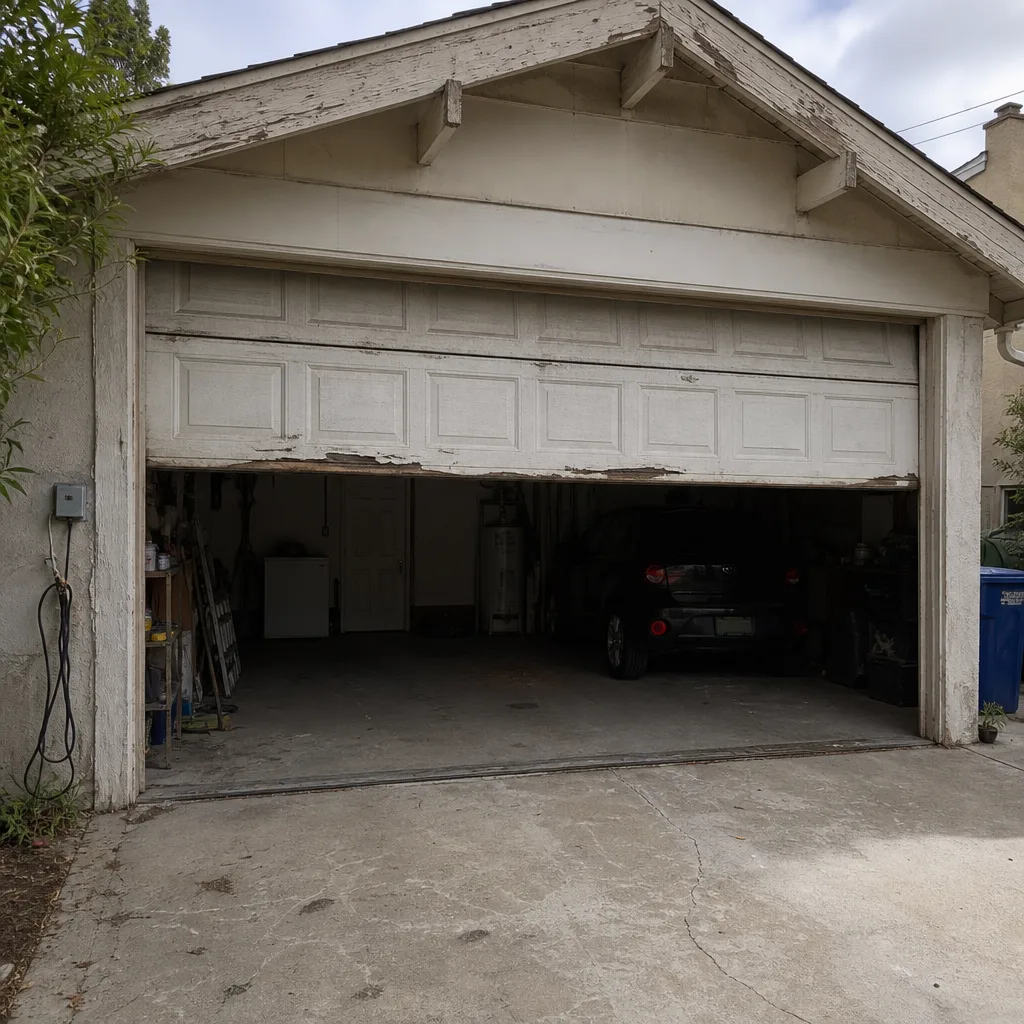 Before
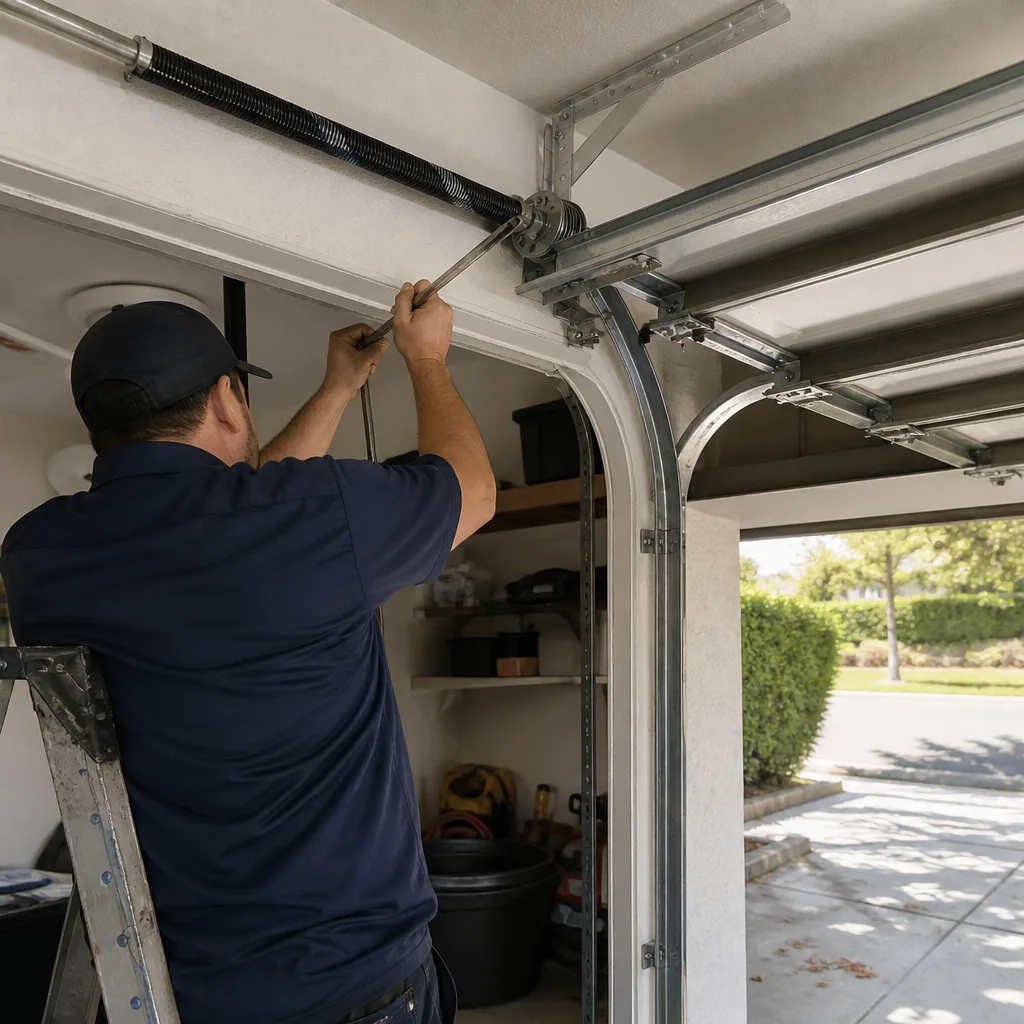 After
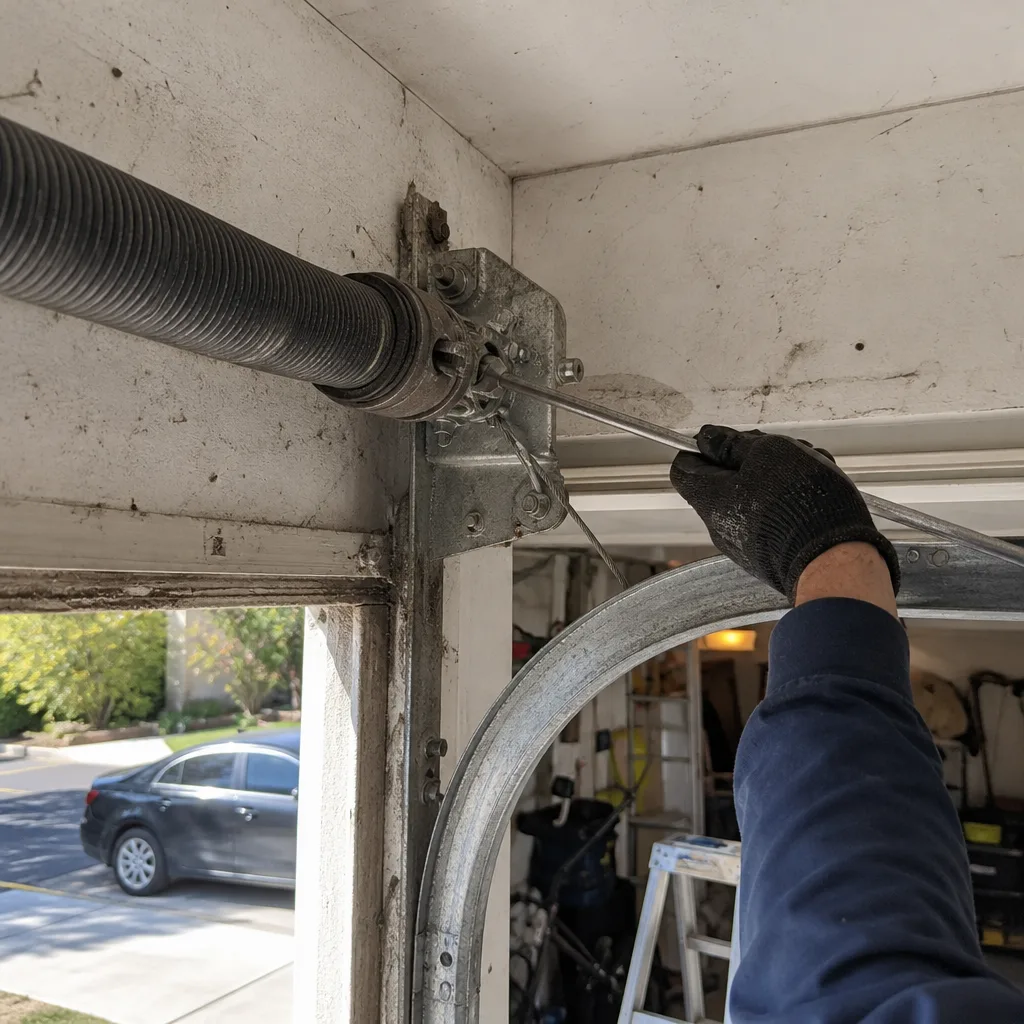 Before
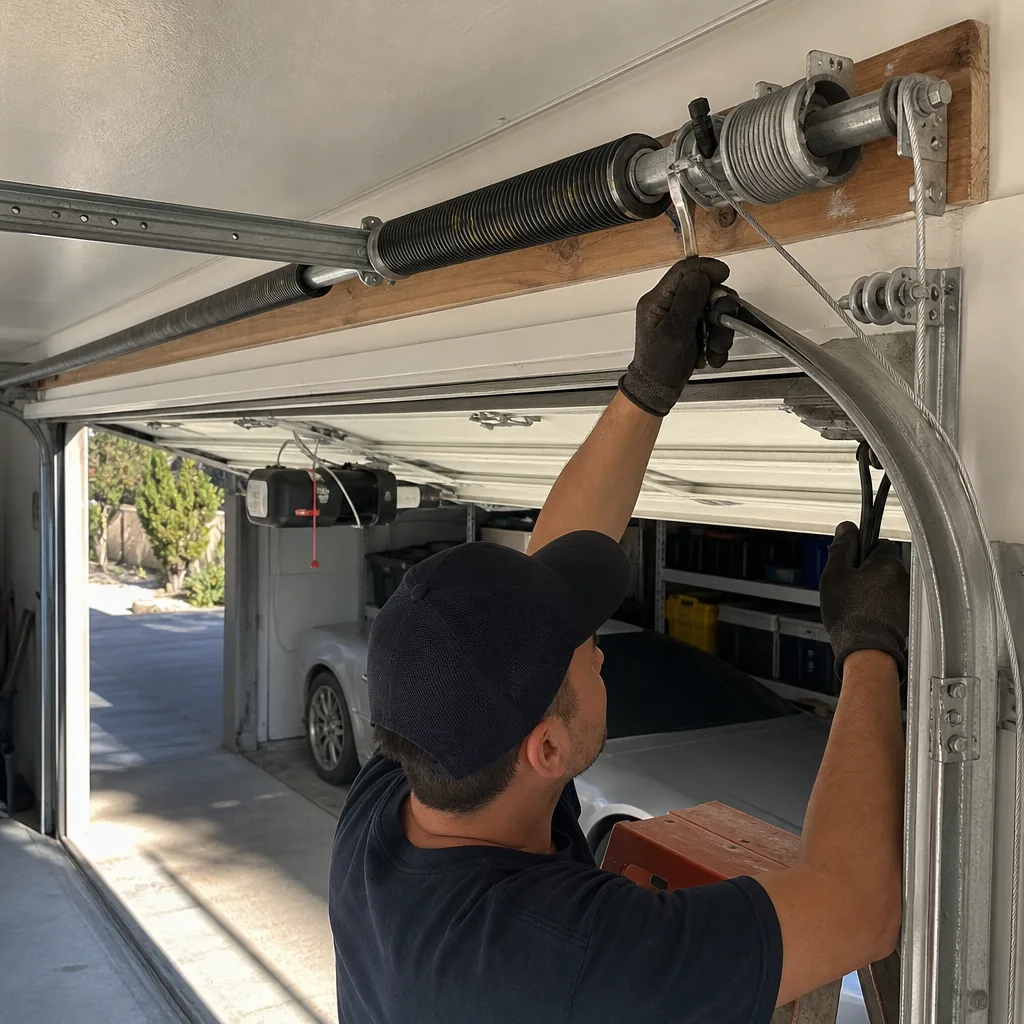 After