
Last updated November 3, 2026
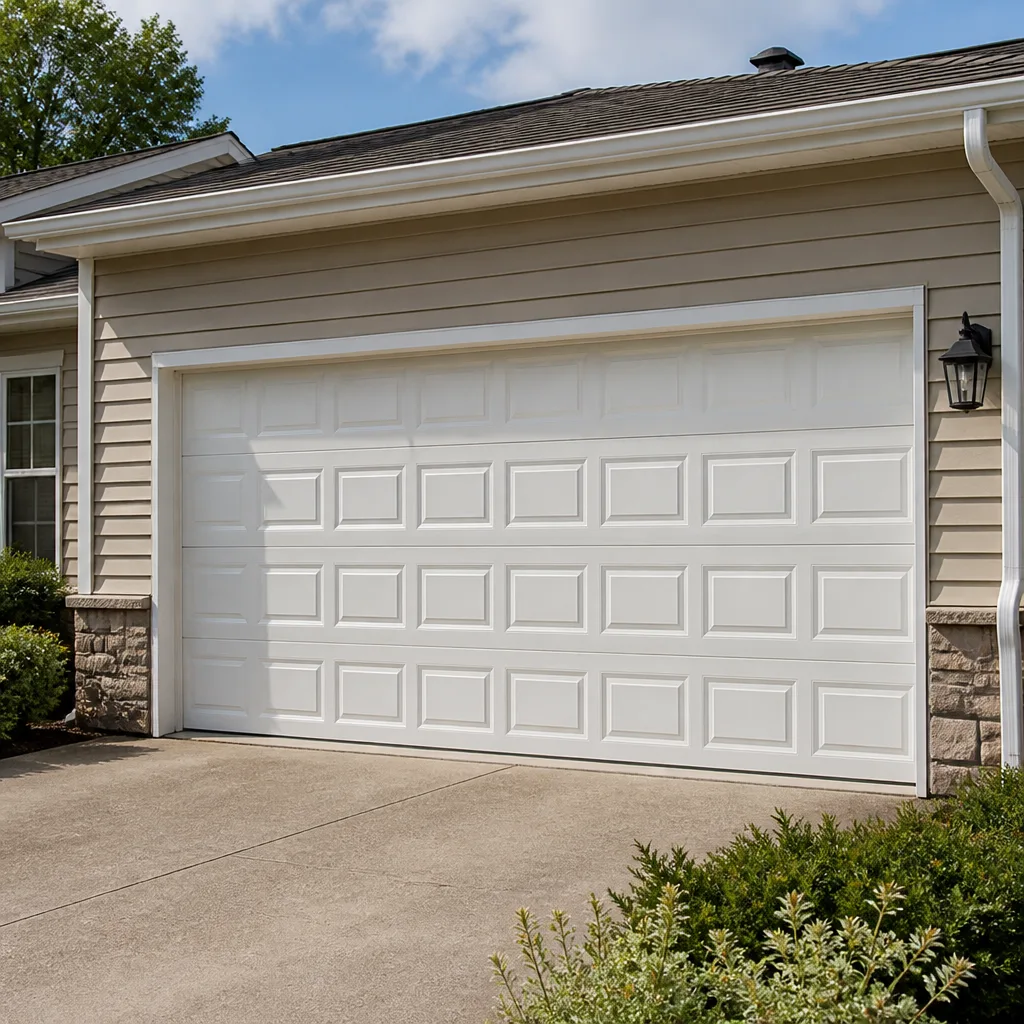 Raised-panel steel
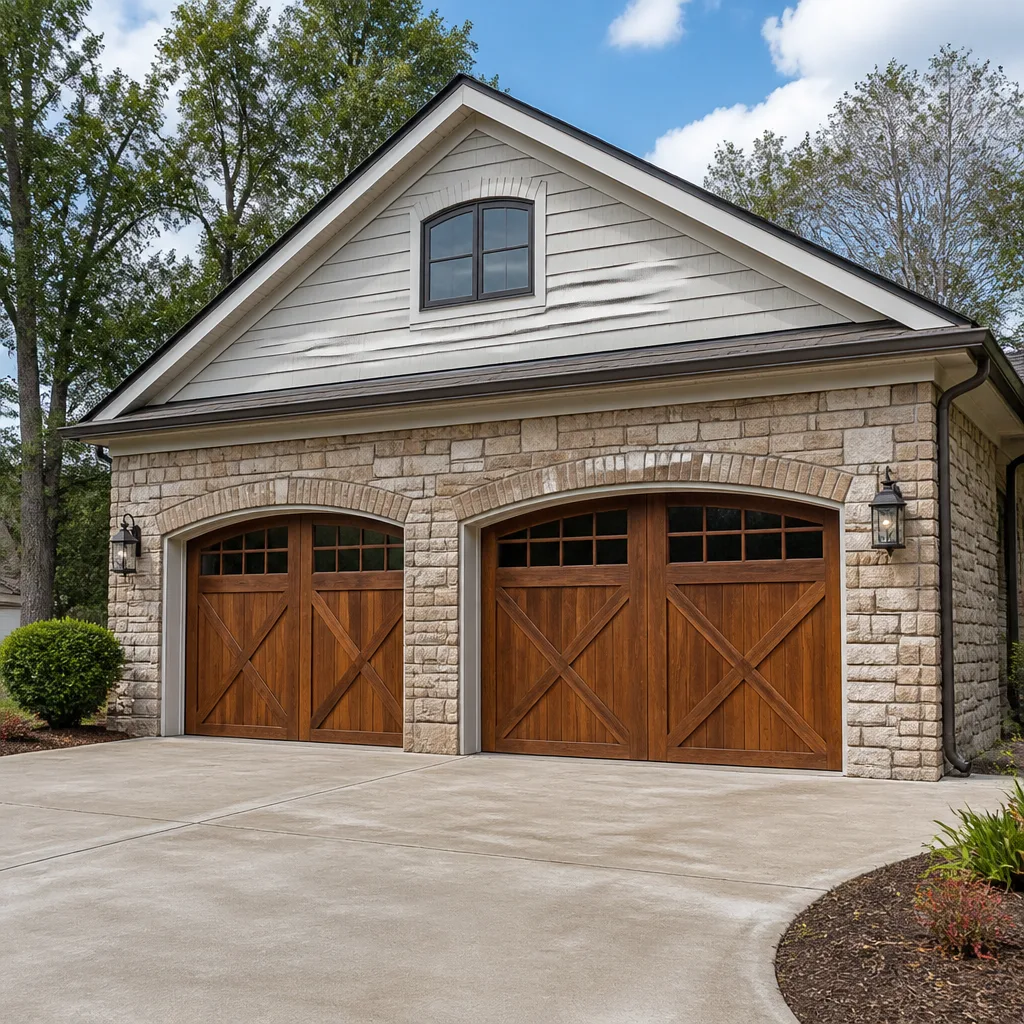 Carriage house
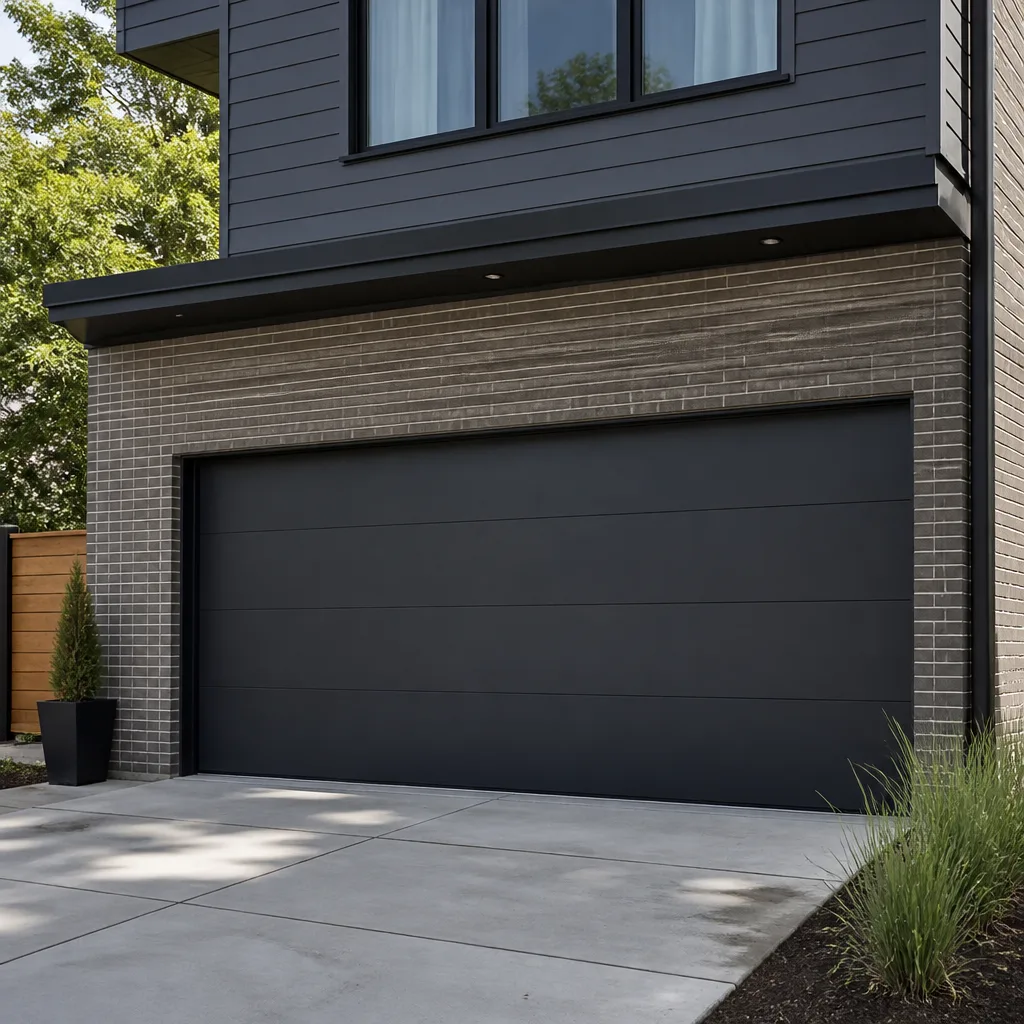 Modern flush
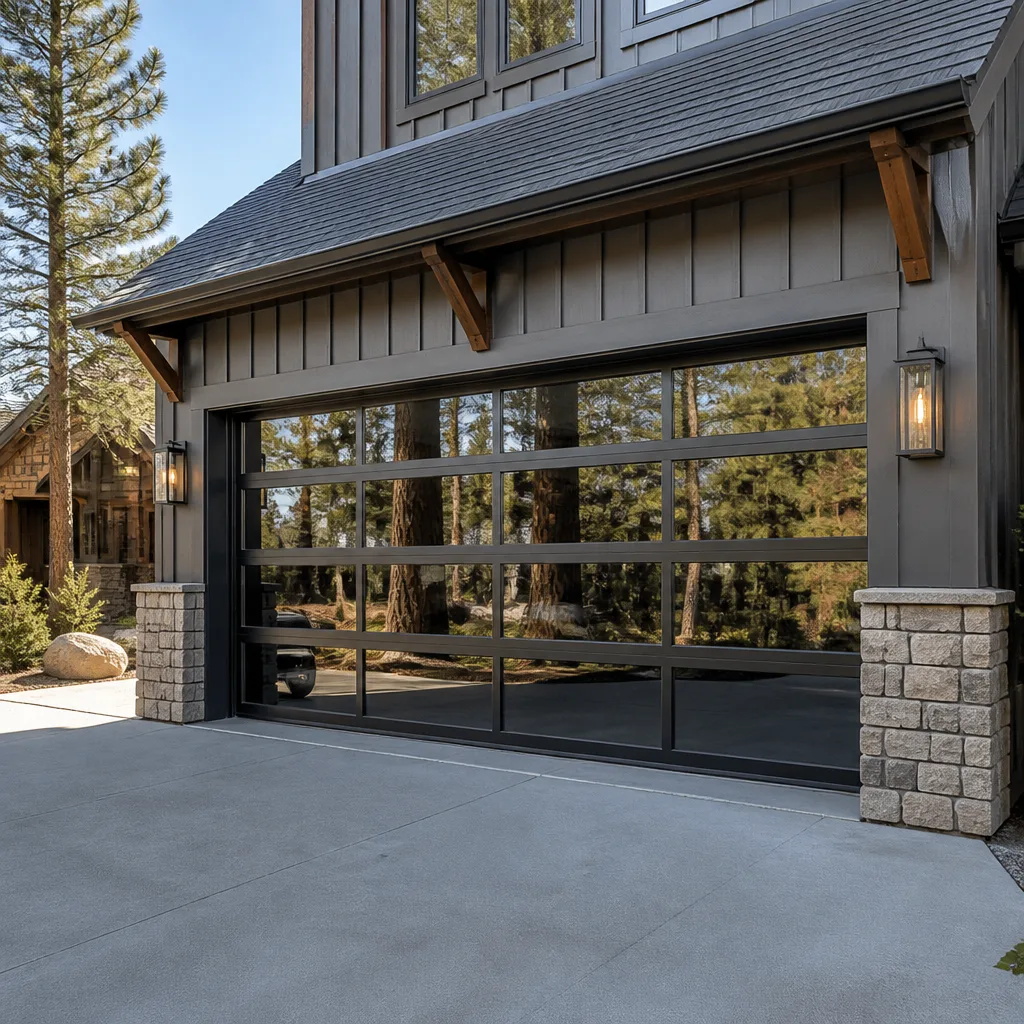 Full-view glass
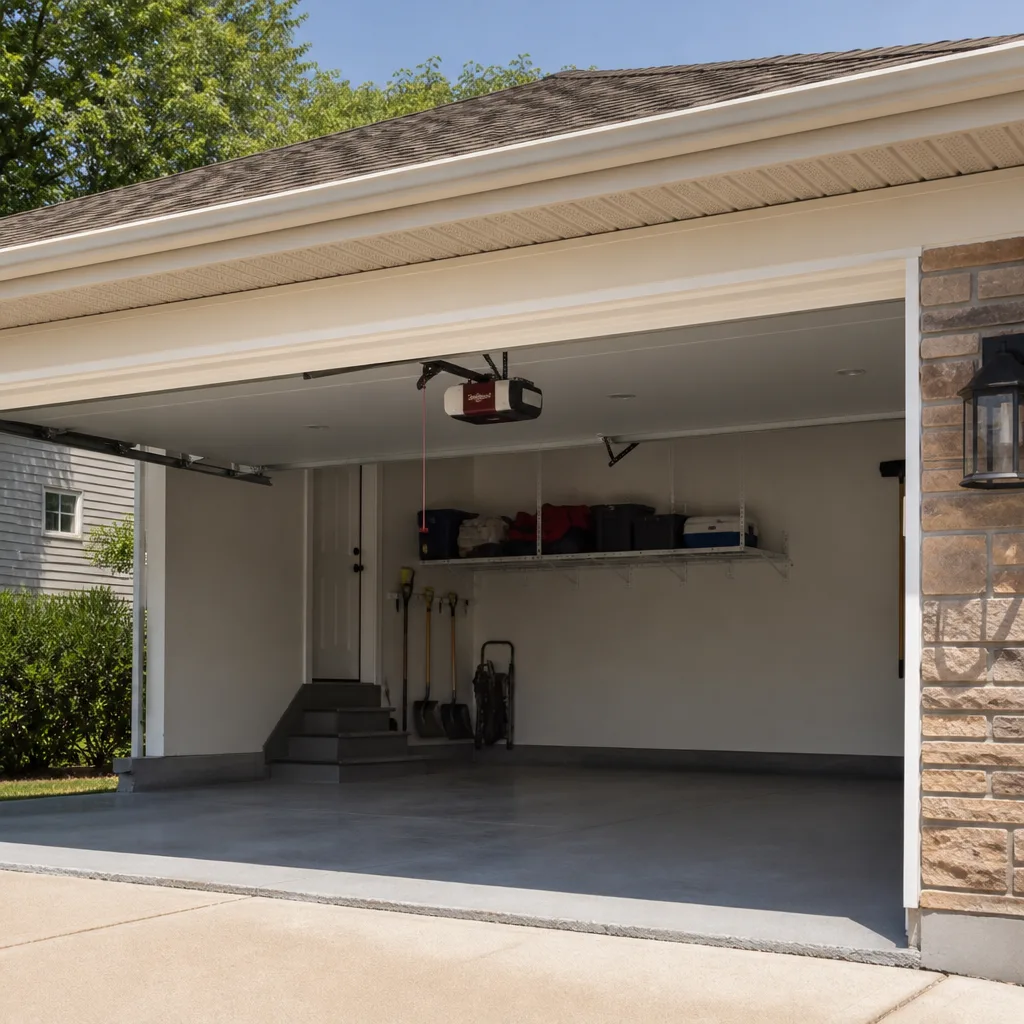 LiftMaster openers
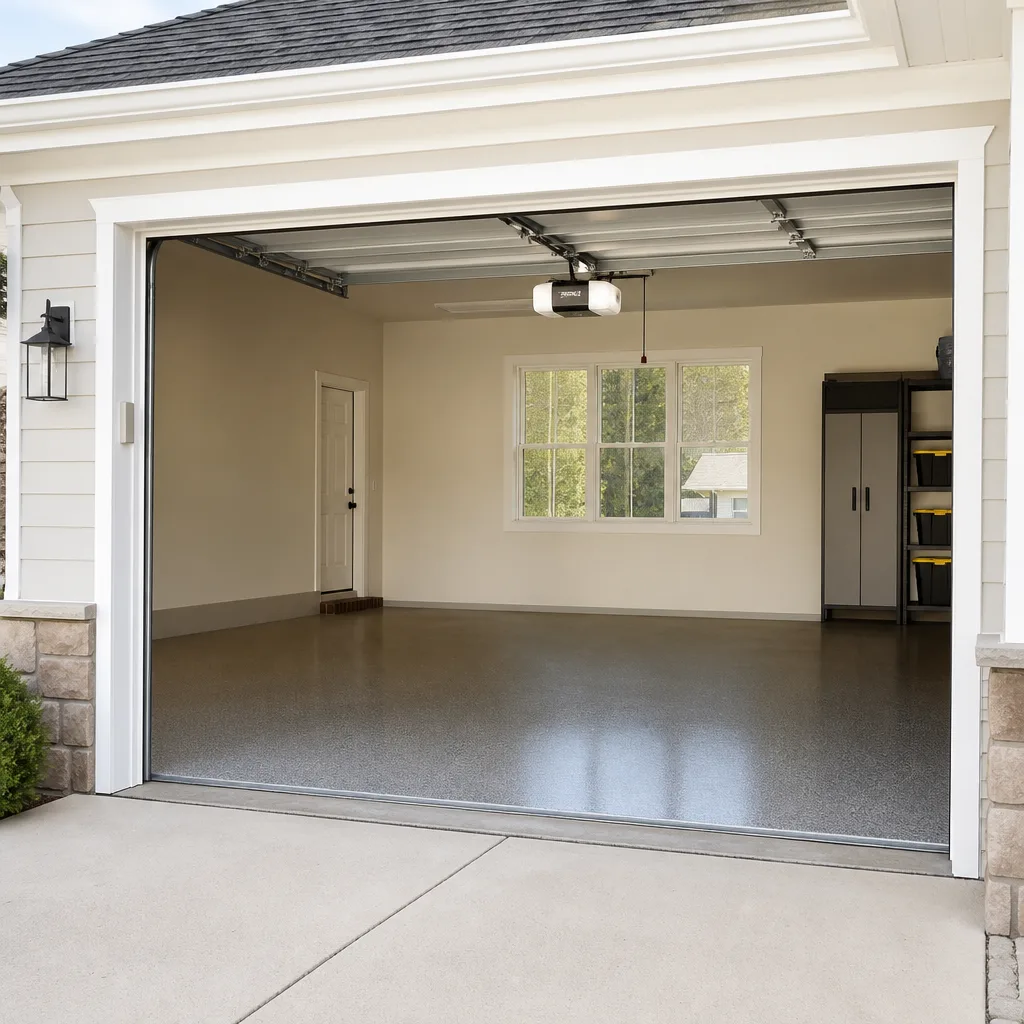 Chamberlain openers
Full 25-point door and opener safety check with every visit - springs, cables, rollers, tracks, and your LiftMaster or Chamberlain opener included
You get a price before we start. It does not change when the truck arrives.
Get your free estimateThe Complete Garage Door Repair Guide for Studio City Homeowners
The garage door on a 1958 ranch in Fryman Canyon needs a completely different spring setup than the one on a 2015 townhome off Ventura Boulevard. Same symptom, different fix, and confusing the two costs Studio City homeowners real money. We’ve spent years working on doors across every era of housing in the 91604 zip code, and the patterns are unmistakable: the age of your home, the slope of your lot, and even the design choices made by a builder six decades ago determine what your door needs today. This guide maps repair decisions to the actual housing stock in Studio City, so you understand what you’re looking at before you pick up the phone.
Styles & brands we work with
- Raised-panel steel
- Carriage house
- Modern flush
- Full-view glass
- LiftMaster openers
- Chamberlain openers
Quick Answer
Garage door repair in Studio City typically costs between $180 and $450 for most common fixes like spring replacement, cable repair, or track realignment, while opener repairs run $150 to $350 depending on the motor and control board. The single most important decision is whether you’re dealing with a spring under tension, which is genuinely dangerous, or a mechanical issue you can safely assess yourself. We always recommend starting with a visual inspection and a phone call to a technician who works on your specific brand rather than guessing at parts.
Table of Contents
- Spring Repair: Studio City’s Most Common Fix and Most Common Injury
- How Track Configurations Dictate Repair Parts in Older Studio City Garages
- Hillside Garages: When the Floor and the Opening Fight Each Other
- Opener Repair: The Part Most Guides Get Wrong
- DIY vs. Professional: Where the Line Actually Is
- Studio City Permitting and LA County Code Triggers
- Documenting Your Repair for Insurance and Resale
- Common Mistakes to Avoid
- When to Call a Professional
- Frequently Asked Questions
- The Bottom Line
Spring Repair: Studio City’s Most Common Fix and Most Common Injury
Torsion spring replacement is the repair we perform most often in Studio City, and for good reason. Those springs counterbalance the entire weight of your door, which on a double-car steel door is typically 350 to 400 pounds. When a spring snaps, usually with a sound like a gunshot, the door becomes dead weight and the opener strains against it until the motor burns out or a cable fails. The fix itself is straightforward: measure the wire diameter, the inside diameter, the spring length, and the wind direction, then install a matched pair. But the danger is real, and we want to be blunt about it.
Every year, homeowners across Los Angeles County end up in urgent care trying to replace springs themselves. The winding bars used to tension a torsion spring are under anywhere from 150 to 250 pounds of torque per quarter-turn, and if a bar slips, it becomes a projectile. A broken wrist is the lucky outcome. A facial fracture or worse is not uncommon. We don’t say this to scare you off all repairs, but spring work is the clear line where professional help pays for itself in avoided medical bills alone. In Studio City specifically, we see a lot of doors from the 1970s and 1980s that were converted from the older extension spring design to torsion springs without a reinforcing bracket, which creates a shear point on the header. That’s a failure waiting to happen, and it’s something a brand-specific technician will catch during a routine repair.
Parts matter here. A spring from Amarr is calibrated to that door’s specific weight and cycle rating. A spring from Wayne Dalton uses a different mounting system entirely. Installing the wrong spring means the door doesn’t balance, which wears out the opener and eventually the new spring itself. Our technicians show up already knowing which hardware your door uses because we work on all eight major brands daily, not just the one a franchise agreement tells us to sell.
How Track Configurations Dictate Repair Parts in Older Studio City Garages
Studio City’s housing stock wasn’t built for today’s garage doors. Homes constructed in the 1940s through the 1960s, which make up a substantial portion of the neighborhoods south of Ventura Boulevard and up into the hills, were framed for single-car garages with ceilings that sit just above the door opening. That means low-headroom track. Modern homes in the 91604 zip code, particularly the townhome developments near the 101 and the newer hillside builds, typically have standard or high-lift track with 15 to 18 inches of clearance above the opening.
Why does this matter for a repair? Because the track configuration determines which springs, drums, and cables you can use. A low-headroom door needs double-low-headroom track with a smaller drum and a different cable length than a standard door. If a technician shows up with a standard spring package and doesn’t check the headroom, they’ll install parts that bind on the first cycle. We’ve seen doors that wouldn’t open more than three feet because someone hung a standard horizontal track on a low-headroom frame.
Here’s what to check if you have an older Studio City home:
- Measure the clearance between the top of the door opening and the garage ceiling. Less than 12 inches means low-headroom or double-low-headroom track.
- Look at the horizontal track angle. Low-headroom track drops steeper at the back than standard track, which pitches the door more aggressively as it travels.
- Check for an extension spring conversion. Many Studio City garages originally built with extension springs were converted to torsion springs on shafts that sit just inches from the ceiling, leaving almost no room for the winding cone.
- Note whether the opener rail is mounted directly to the ceiling or hangs on brackets. On low-headroom doors, the rail ties to the ceiling because there’s nowhere else for it to go.
The practical takeaway is that replacing a section or swapping a spring on a low-headroom door is not a universal-parts job. It requires knowing what the builder had to work with in 1955 versus what works on a door from 2015. That’s where multi-brand experience saves you money, because the technician isn’t force-fitting standard hardware onto a non-standard opening.
Hillside Garages: When the Floor and the Opening Fight Each Other
Studio City’s canyon neighborhoods mean sloped driveways, and sloped driveways mean garages that settle. We regularly service homes in Fryman Canyon, Coldwater Canyon, and along Mulholland where the concrete slab has shifted an inch or more over decades. The door still looks straight. The tracks still look straight. But the opening is out of plumb, and that misalignment masquerades as hardware failure.
Here’s what happens. The garage settles at one corner, the door frame follows, and now the door binds against the jamb on one side while leaving a half-inch gap on the other. The homeowner calls us because the door is “sticking” and assumes a roller broke or a track got bent. In reality, the rollers are fine. The track is fine. The building moved.
Symptoms of a settled garage include:
- The door scrapes on one side only, and the scrape worsens in winter when the hillside soil contracts.
- The door sits level when measured at the bottom edge but the gap between door and jamb is uneven top to bottom.
- New rollers wear out within a year on one side only.
- The opener’s force adjustment needs to be set higher every few months just to close the door.
The fix isn’t a new door. It’s a combination of shimming the track, re-setting the door in its opening, and often replacing the bottom seal with a thicker profile to accommodate the uneven floor. On some Canyon homes, we’ve installed adjustable track brackets that let the door follow the settled plane rather than fighting it. This is repair work that looks like alignment work, and it’s the kind of thing a technician who only knows parts catalogs will miss. We’ve seen homeowners spend $800 on a new opener thinking the motor was weak when the real problem was 40 years of hillside settling pushing the door out of square.
Opener Repair: The Part Most Guides Get Wrong
Most garage door repair guides treat the opener as an afterthought: check the batteries, maybe replace the remote, done. We treat garage door opener repair in Studio City as its own discipline, because modern openers are closer to small computers than mechanical switches. A 2019 LiftMaster with a DC motor, a logic board, and built-in Wi-Fi shares nothing with a 1995 Craftsman chain-drive except the track.
The repair sequence matters. When an opener fails, the first question is whether the opener is actually the problem or a symptom of the door. A door that’s out of balance makes any opener work harder, which trips the force sensors, which shows up as “opener keeps reversing.” Homeowners replace the opener, the new one reverses too, and now they’re out $500 with the same problem. Step one is always checking the door balance by disconnecting the opener and lifting the door by hand. If it doesn’t stay put at half-height, the door needs attention before the opener does.
Once the door is ruled out, the diagnostic path is usually:
- Check the safety sensors. Two small units near the floor on either side of the opening. Misaligned sensors are the single most common reason an opener won’t close. Look for a blinking indicator light.
- Check the logic board. A power surge on the 91604 grid, especially during Santa Ana wind events, can fry a control board. Symptoms include the opener working from the wall button but not the remote, or vice versa.
- Check the drive gear. Genie and older Chamberlain units use a plastic gear that strips over time. The motor runs but the chain doesn’t move.
- Check the capacitor. If the opener hums but doesn’t start, a failed capacitor is often the culprit, and it’s a ten-minute fix with the right part.
We service Genie, Chamberlain, LiftMaster, and the other major brands we’re certified on, which means we carry or can quickly source the specific boards and gears those openers use. We work on what you already have, not what we’re incentivized to replace. And if the opener is truly dead, we’ll tell you that honestly and quote a replacement through our garage door installation service in Studio City instead of stringing you along with repair attempts that don’t hold.
DIY vs. Professional: Where the Line Actually Is
We’re asked all the time what a homeowner can safely handle, and the answer in Studio City is the same as anywhere else: if the repair involves a spring under tension, a cable under tension, or lifting a door that weighs more than you do, stop. Call someone. The cost of a professional repair is less than the cost of a hand surgeon.
Here’s a practical breakdown:
Safe to do yourself:
- Replacing the remote battery or reprogramming a remote using the manufacturer’s instructions.
- Lubricating the rollers and hinges with a silicone-based spray (never grease).
- Tightening loose bolts on the track brackets and hinge plates.
- Cleaning and realigning the safety sensors.
- Replacing the weather seal along the bottom of the door.
Leave to a professional:
- Torsion spring replacement. A single wrong move with a winding bar can shatter a wrist or worse. We’ve heard enough urgent care stories from Studio City to be firm on this.
- Extension spring replacement. Older doors with side springs have cables that snap under load and cut like a whip.
- Cable repair. The cables on a torsion spring system hold spring tension; the ones on extension springs hold door weight. Either way, when they fail, they fail violently and without warning.
- Track realignment. This requires understanding the door’s geometry in relation to the opening, especially on settled hillside garages where the “right” position is not the factory-spec position.
- Any repair requiring you to climb a ladder with tools in both hands.
The line is simple: if removing the wrong bolt releases stored energy, you shouldn’t be touching it. Most Studio City repair calls we handle are for problems a homeowner correctly identified but couldn’t safely fix. That’s a smart division of labor. You know what’s wrong. We bring the right part and the right training to fix it.
Studio City Permitting and LA County Code Triggers
This is the section most guides skip, and it’s the one that can come back to bite you during a sale or an insurance claim. Studio City falls under Los Angeles city and county building code. Most garage door repairs don’t require a permit, but certain upgrades and replacements do, and some repairs trigger a mandatory code upgrade even when you didn’t plan one.
Here’s what Studio City homeowners need to know:
No permit required: spring replacement, cable replacement, roller replacement, track alignment, opener repair, most section replacements.
Permit required: installing a new door opening where one didn’t exist, changing the structural header above the door, or converting a garage into living space (which is a separate discussion entirely).
Potential code upgrade triggers: If you’re replacing an older door and the garage is attached to a living space, current code requires fire-rated construction between the garage and the home. A door section replacement on a pre-1990s door may trigger a requirement to bring the door up to current fire separation standards. This shows up most often when a homeowner replaces a section on an old wood door: the new section has to meet fire rating, and the inspector may look at the whole assembly.
Also worth noting for Studio City specifically: the city has been aggressive about ADU conversions, and an attached garage on a hillside lot with a retaining wall near the property line can complicate any structural work on the door frame. If the door frame ties into a retaining wall, you may need a structural engineer’s sign-off before replacing the frame, not just the door.
We don’t pull permits for our standard repairs because they aren’t required, but we’ll tell you when your project crosses into territory that needs one. That’s part of being a Mustang Garage Door Service customer: we’d rather flag an issue now than have it surface as a failed inspection or a disputed insurance claim later.
Documenting Your Repair for Insurance and Resale
Studio City homes sell at a premium, and the garage door is one of the first things a home inspector looks at. A well-documented repair history doesn’t just protect you if the door fails again, it’s a selling point when you list the house. We recommend keeping a simple file, and here’s what belongs in it:
- The work order. Any reputable technician will provide one. It should list the parts replaced, the brand of door and opener, and the date. If it doesn’t, ask for it.
- Spring cycle ratings. Quality springs are rated for 10,000 cycles, which translates to roughly 7 to 10 years of normal use in a Studio City household that opens the door 2 to 3 times a day. Knowing your springs were installed in 2022 and rated for 10,000 cycles tells a buyer the door is solid for years.
- Opener compatibility notes. If you have a Genie or Chamberlain opener that integrates with a smart home system, document the wiring and the hub model. It saves the next owner an afternoon of reverse-engineering.
- Any alignment work related to hillside settling. If your Canyon home has a known settlement pattern and a technician installed adjustable brackets to compensate, that’s information a buyer values. It means the door works despite the geology, not because the geology got fixed.
- Photos. Before and after shots of the spring, the track, and the opener installation. It’s five minutes of effort that pays off if you ever need to make an insurance claim for a door damaged by a vehicle or extreme weather.
For insurance: if your door is damaged by a wind event or a crash, the adjuster will want to know the door’s condition before the incident. A documented, recent spring replacement or track alignment makes the claim process faster and can increase the payout by establishing that the door was not already failing. We’ve seen claims denied because a homeowner couldn’t prove the spring wasn’t already broken. Documentation is cheap insurance.
Common Mistakes to Avoid
- Replacing the opener without checking the door. A door that’s out of balance will kill a new opener in months. Check the door balance first, then the opener. This mistake costs Studio City homeowners more than any other single error.
- Buying parts off a big-box shelf without knowing the door model. A Clopay spring is not interchangeable with a Wayne Dalton spring. The parts might look similar in the package. They are not similar under tension.
- Ignoring a slowly worsening noise. A squeak that becomes a grinding sound means a roller or a bearing is failing. Wait long enough and the bearing seizes, which chews up the track, which turns a $200 repair into a $700 track replacement.
- Tightening the spring bolts without a torque wrench. The bolts on a torsion spring set screw have a specific torque. Over-tighten and you strip the set screw. Under-tighten and the spring slips under load. Either failure is dangerous.
- Skipping the balance test after any track or spring work. A door that “looks fine” can still be carrying 50 pounds on one side. That wears out the opener gear and, on a hillside home in Studio City, accelerates the settlement problem.
- Waiting to fix a door that sits slightly open. A half-inch gap at the bottom might seem cosmetic, but in Studio City, that gap is an open invitation for rodents during dry seasons. The canyons have rats, and a door that doesn’t seal is a rodent door.
When to Call a Professional
You should call a professional the moment the repair involves a spring, a cable, a track, or a door that weighs more than you can lift with one hand. That covers most actual garage door repairs. The DIY-friendly tasks, like sensor alignment and lubrication, are the exception, not the rule. If the door won’t open at all, if you hear a loud bang and the door doesn’t move, or if the door opens crooked and binds halfway up, stop and call. If you hear grinding from the opener and the door doesn’t budge, call before you burn out the motor. Mustang Garage Door Service offers free estimates in Studio City, and we’ll give you a clear diagnosis before any work is quoted or started. Call (855) 633-3903 and tell us what the door is doing. We’ll tell you what we think before we even schedule the visit. A full repair walkthrough for this area is available on our Garage Door Repair in Studio City page, which covers the specific service offerings and what to expect on the day of the repair.
Frequently Asked Questions
Spring replacement in Studio City typically runs $200 to $400 for a standard torsion spring pair on a double-car door, with the price varying by spring cycle rating and door weight. Higher-cycle springs cost more upfront but last roughly twice as long. Call (855) 633-3903 for an exact quote based on your door’s measurements. Estimates are free.
We offer same-day service for most spring, cable, and opener repairs in Studio City, though the exact timing depends on our current call volume and the parts your door requires. A broken spring on a common brand like Genie or Chamberlain is usually fixable the same day. Call (855) 633-3903 and we’ll tell you our soonest available window.
No. The price we quote is the price you pay, and it’s agreed upon before any work starts. If we find an additional issue during the repair, we’ll show you the problem and quote that separately before touching it. No surprises, no invoice creep. That’s how we work in Studio City and everywhere else we service.
We repair and service LiftMaster, Chamberlain, Genie, Clopay, Amarr, Wayne Dalton, Craftsman, and Raynor. We’re certified to work on all eight brands, which means we carry or can quickly source the right parts for your specific door and opener instead of using universal hardware that mostly fits. If your brand is on that list, we speak its language.
Usually not. A crooked or binding door in Studio City is often caused by a settled hillside garage where the floor or the opening has shifted out of square. It can also be a broken cable on one side. The first step is disconnecting the opener and lifting the door by hand to feel where the resistance is. We diagnose this daily and fix it with track adjustments, not a new spring.
Garage door opener repair is a standalone service, and it’s one of our specialties. We work on motors, drive gears, logic boards, safety sensors, and wireless integration for Genie, LiftMaster, Chamberlain, and others. You don’t need a door problem to call us about an opener problem.
The Bottom Line
Your Garage door in Studio City is a system, not a collection of parts, and the best repair is the one that accounts for how old the door is, which brand it is, what kind of track it rides on, and what the hillside beneath it has done over the decades. A generic fix works on a generic door, and Studio City homes rarely have generic doors. Know the difference between a safe DIY task and a spring under tension. Document what gets fixed. And when the repair is beyond the DIY line, call someone who works on your specific brand instead of guessing. Mustang Garage Door Service has been serving Studio City since 2011, and we work on what you already have. Call (855) 633-3903 for a free estimate.
Written by the team at Mustang Garage Door Service, serving Studio City since 2011.
See the difference
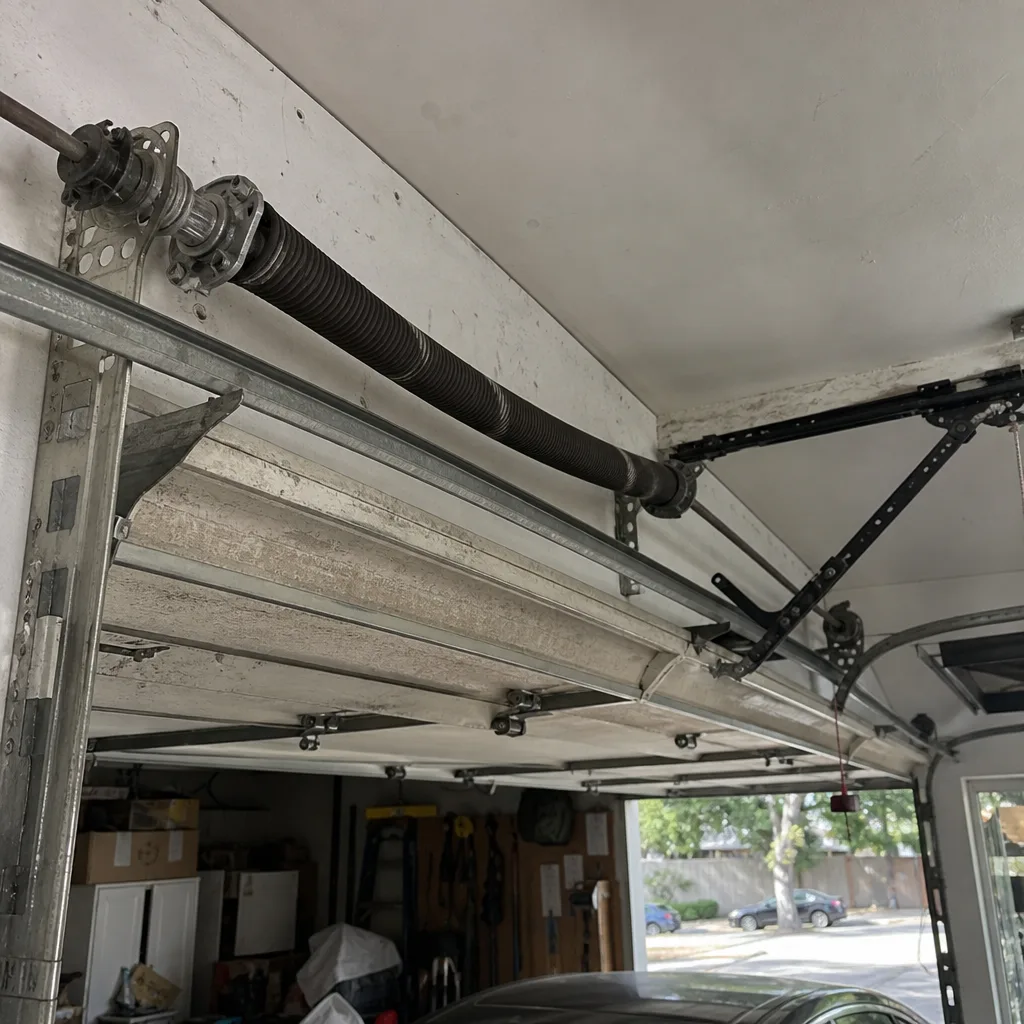 Before
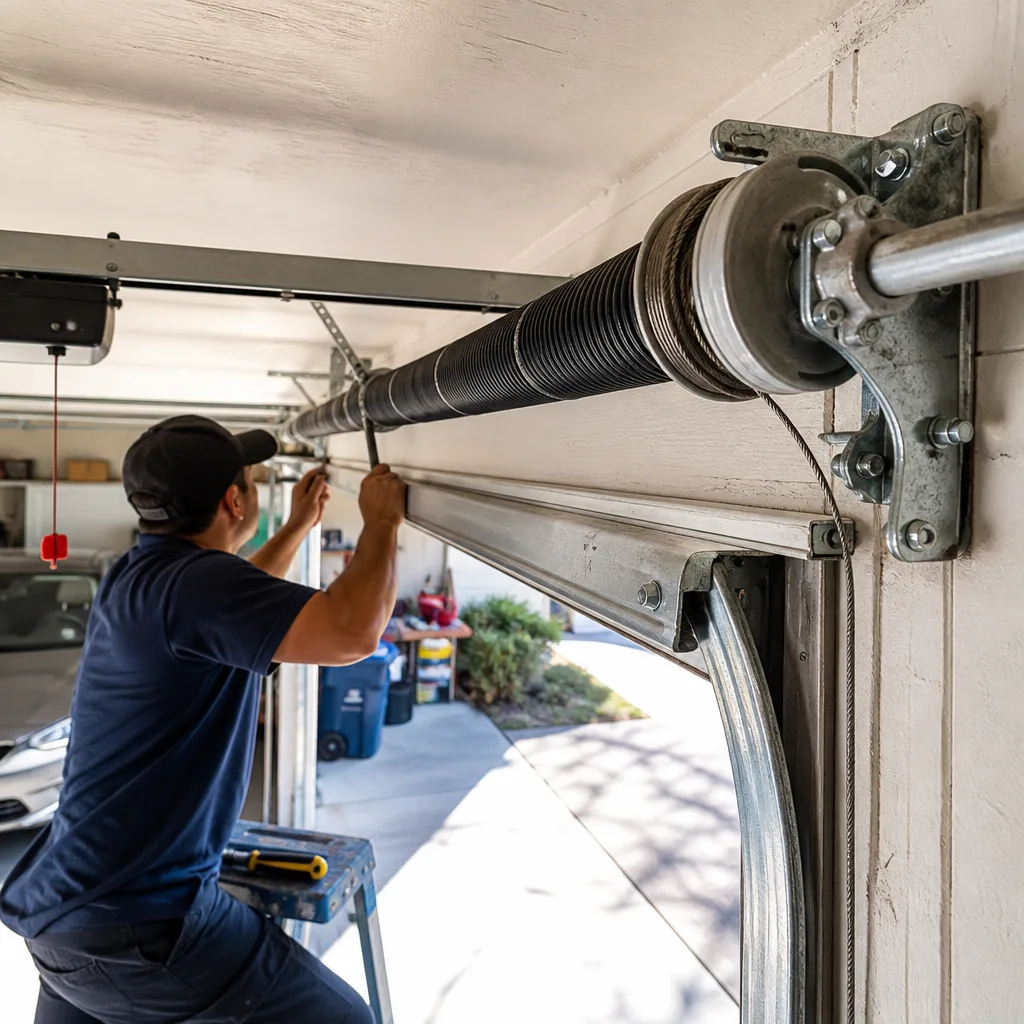 After
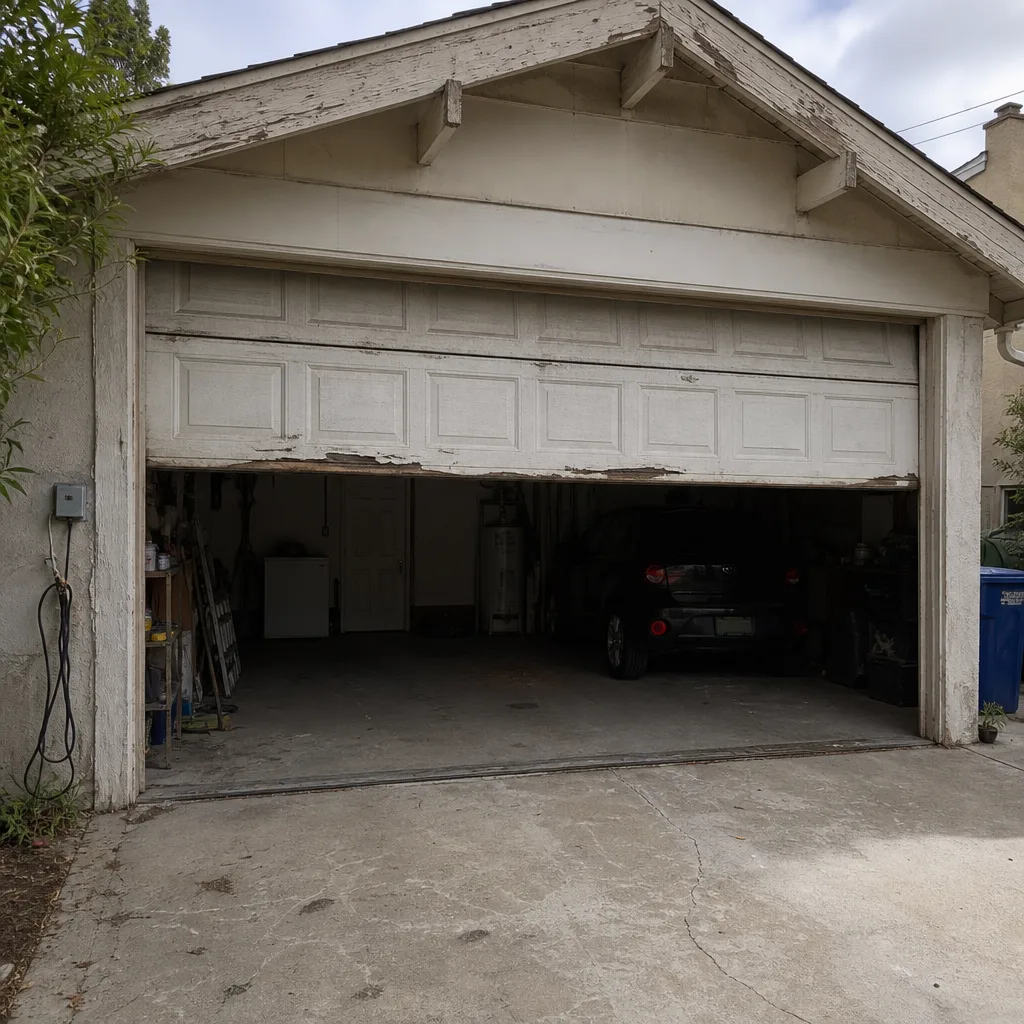 Before
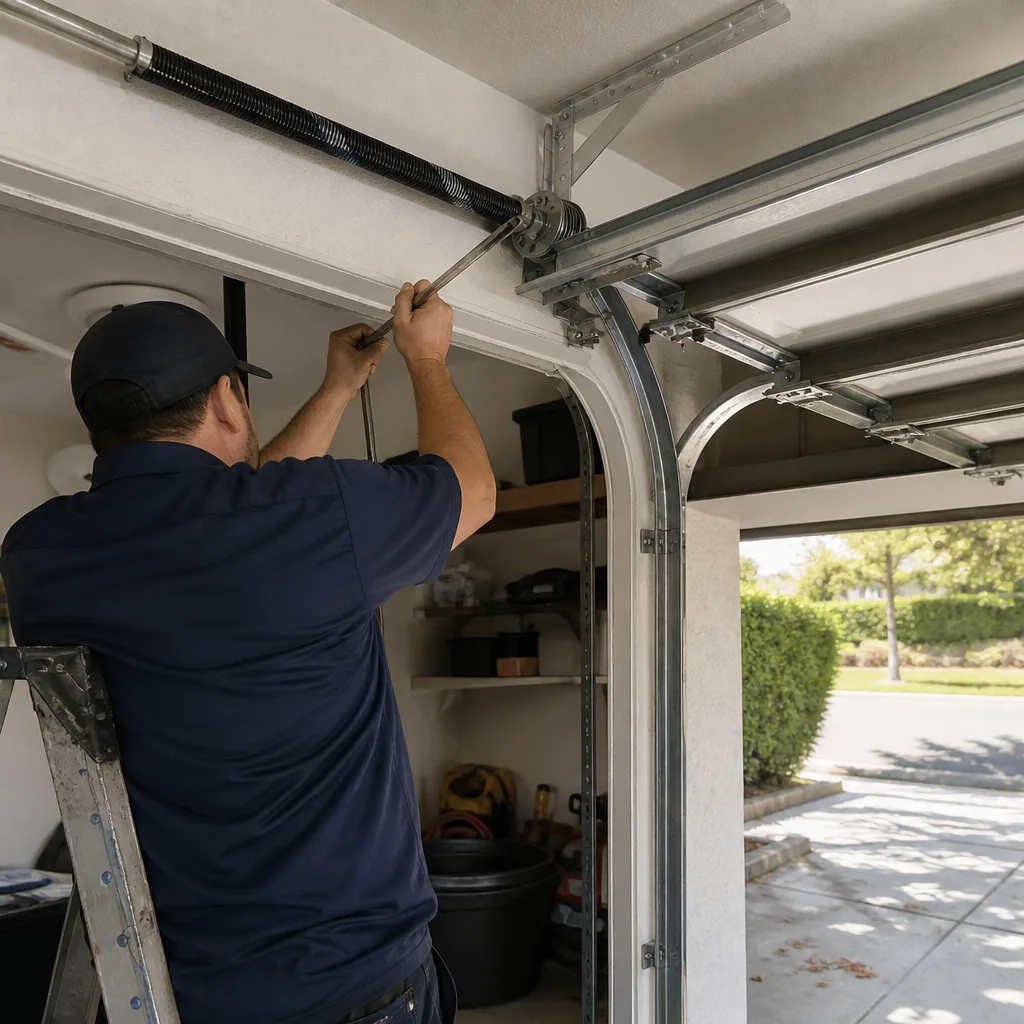 After
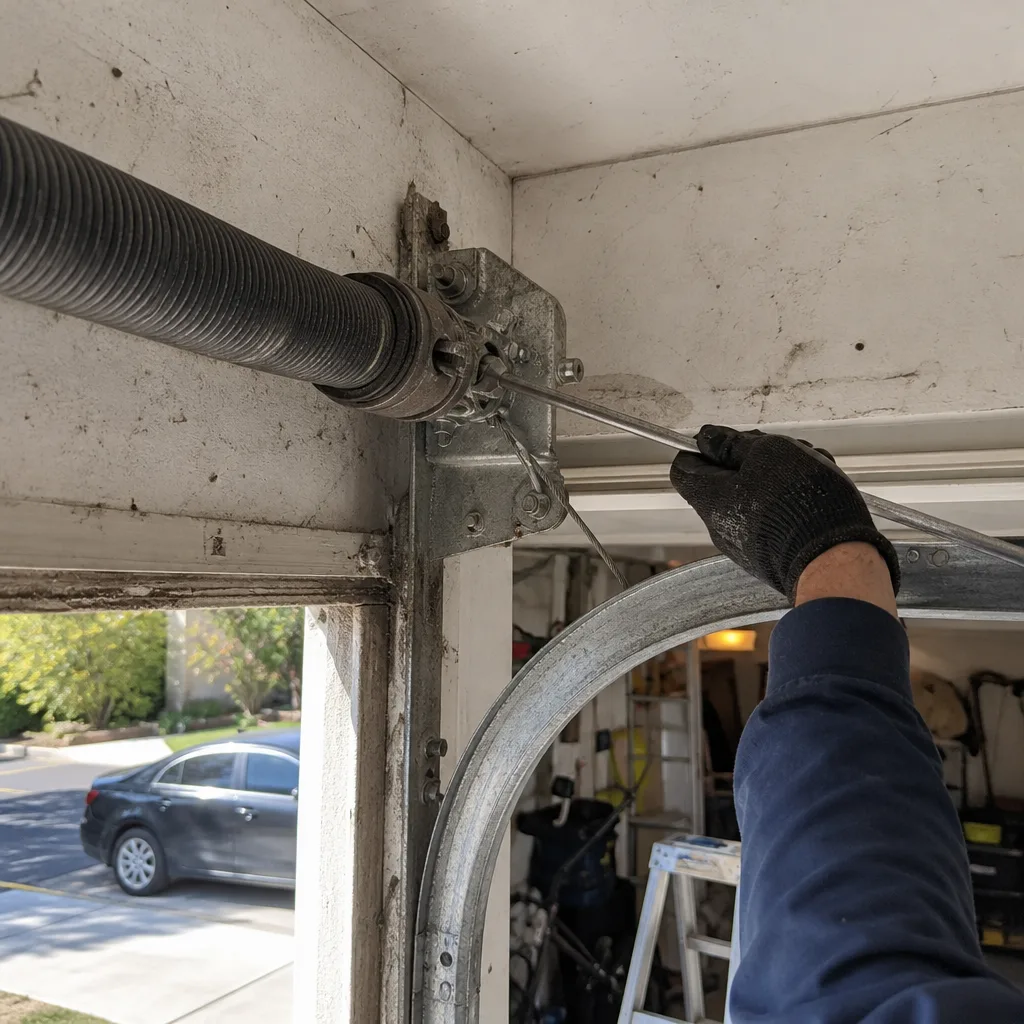 Before
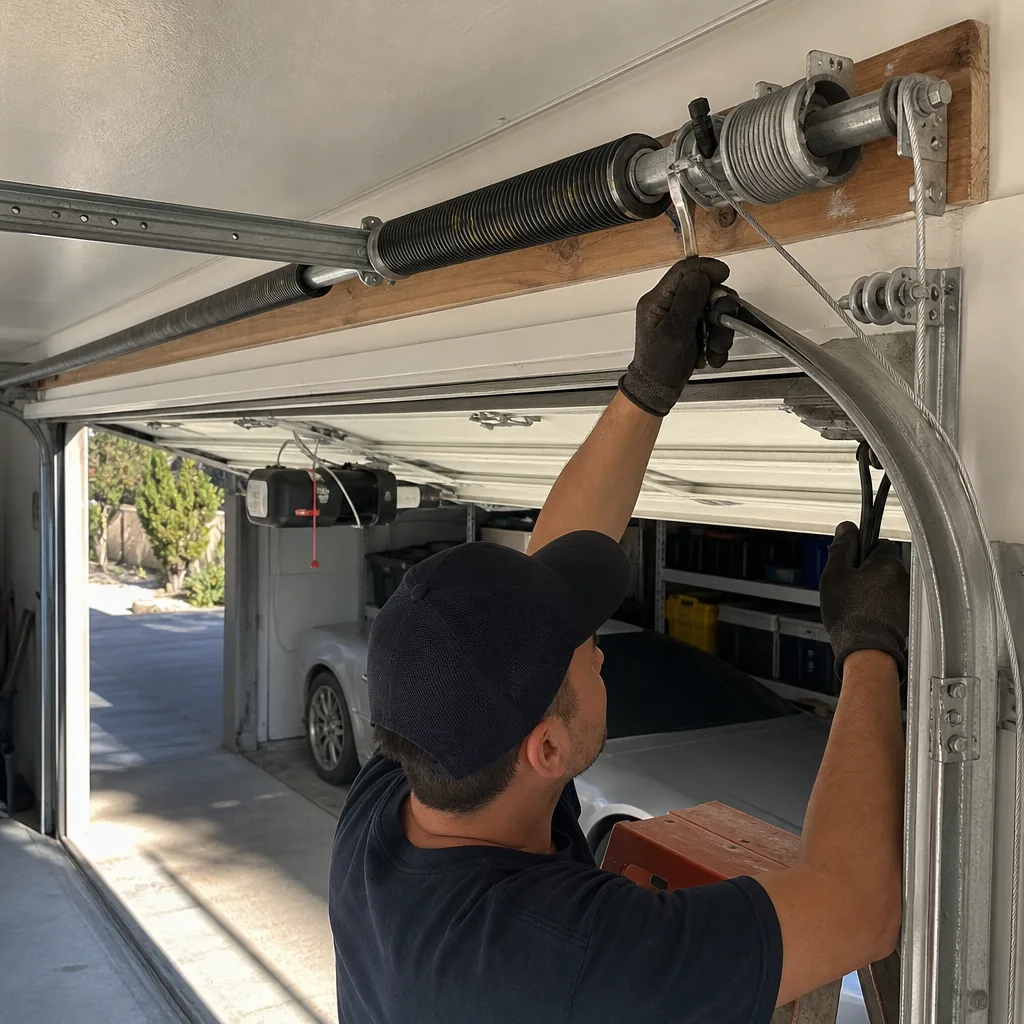 After