
Last updated November 2, 2026
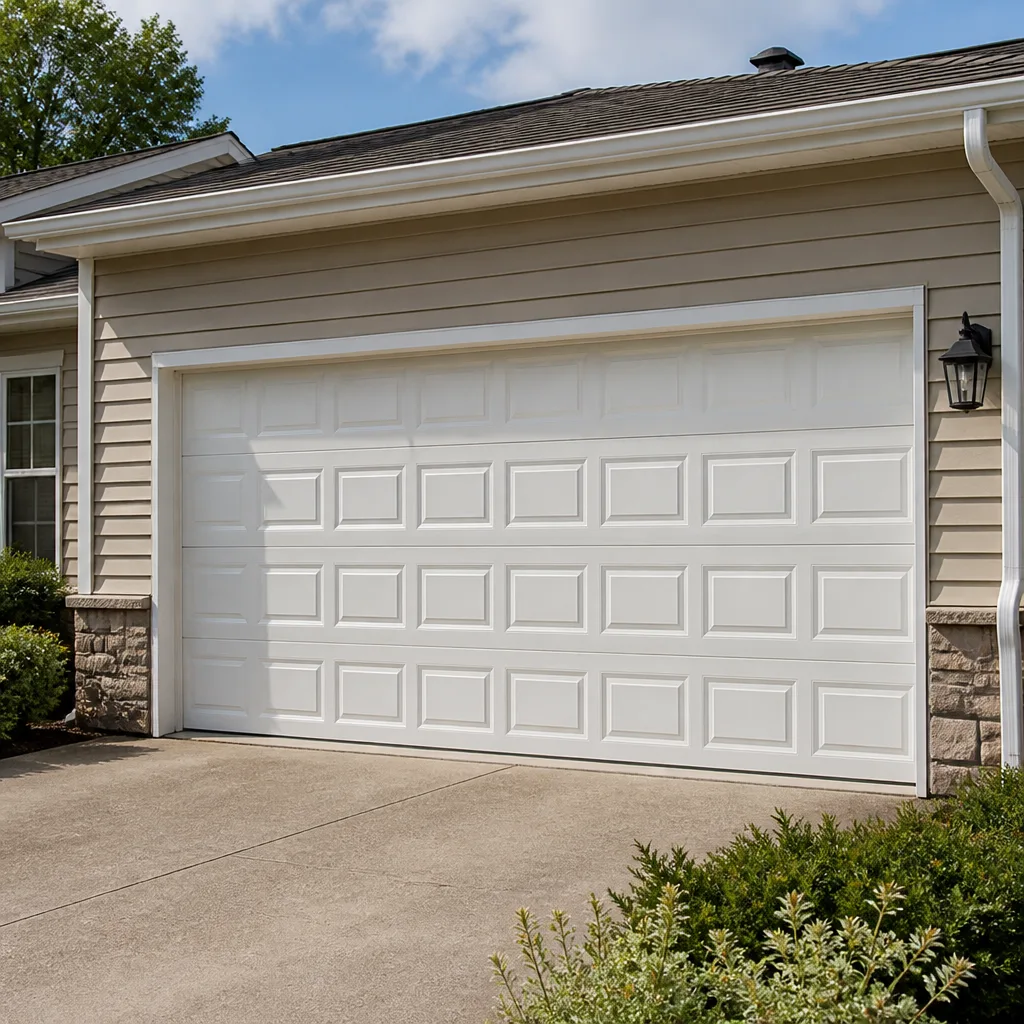 Raised-panel steel
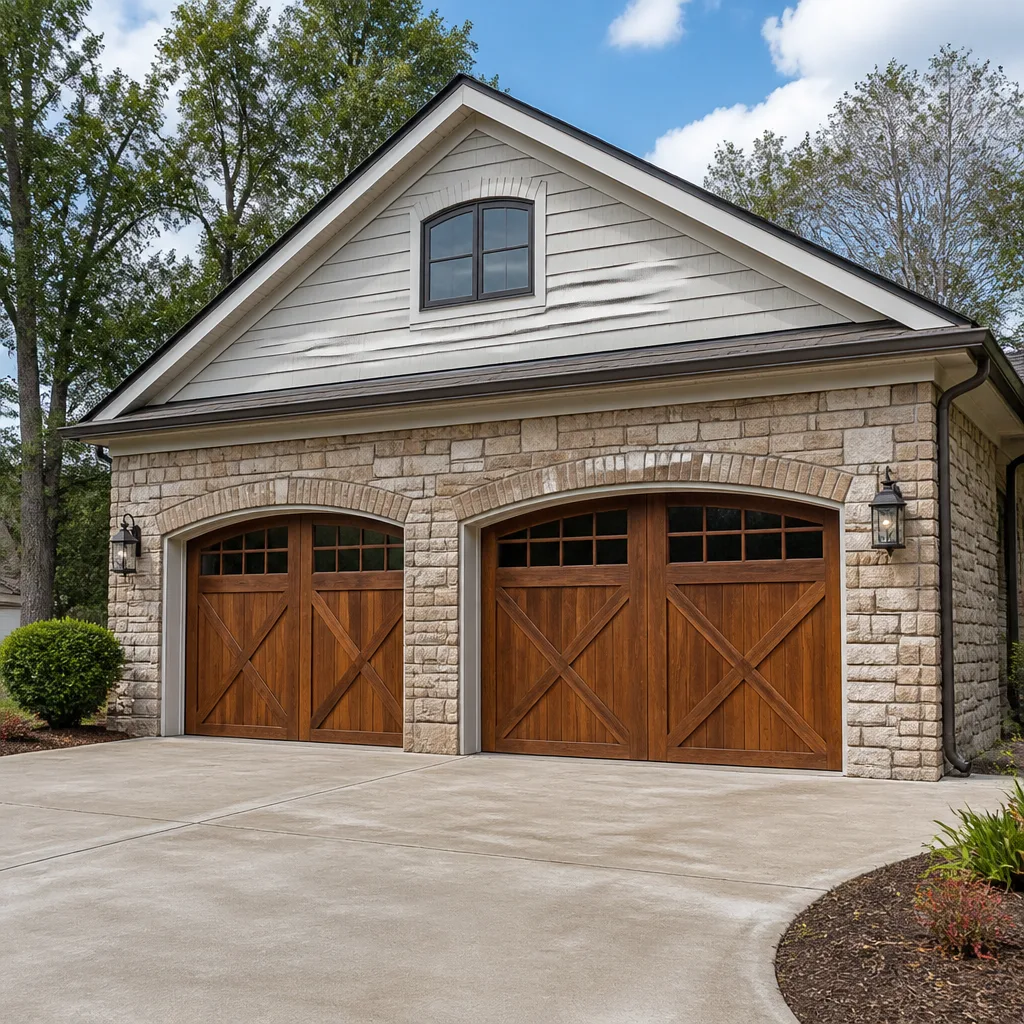 Carriage house
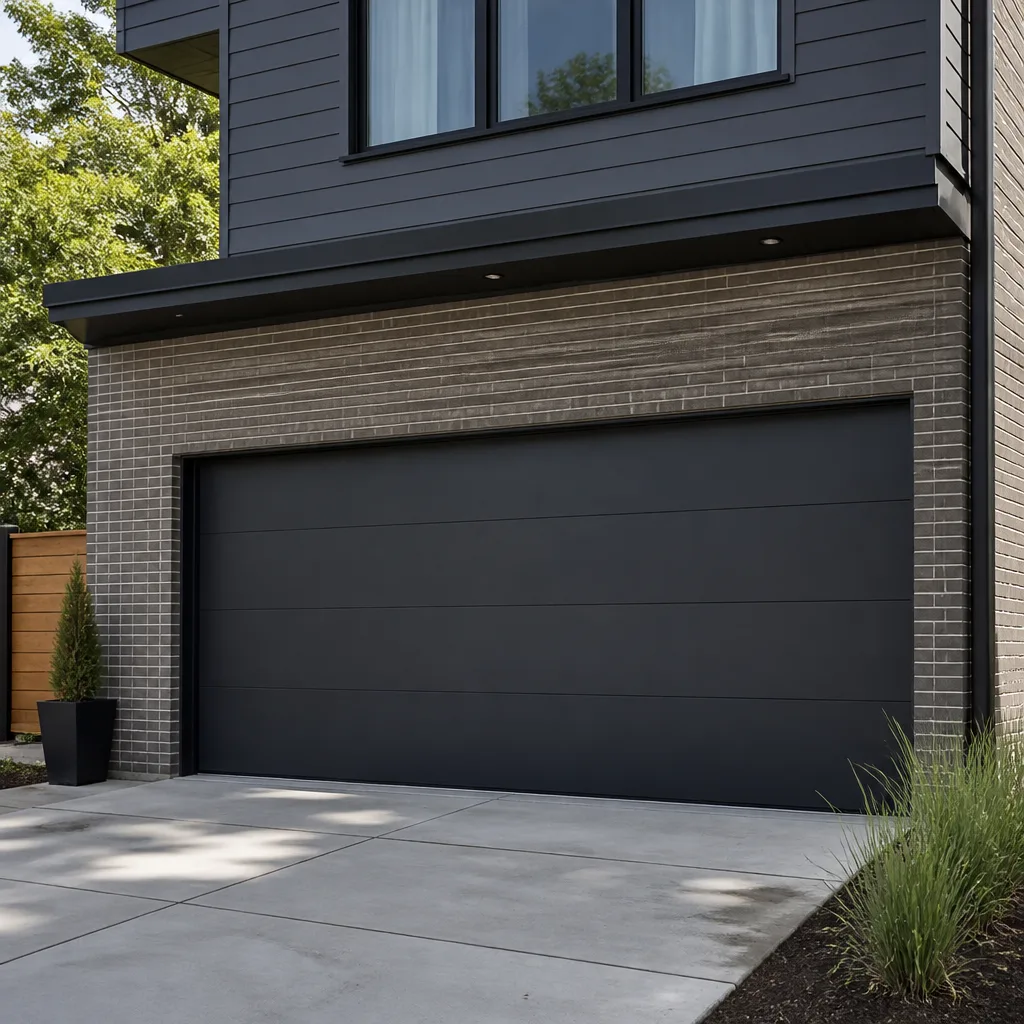 Modern flush
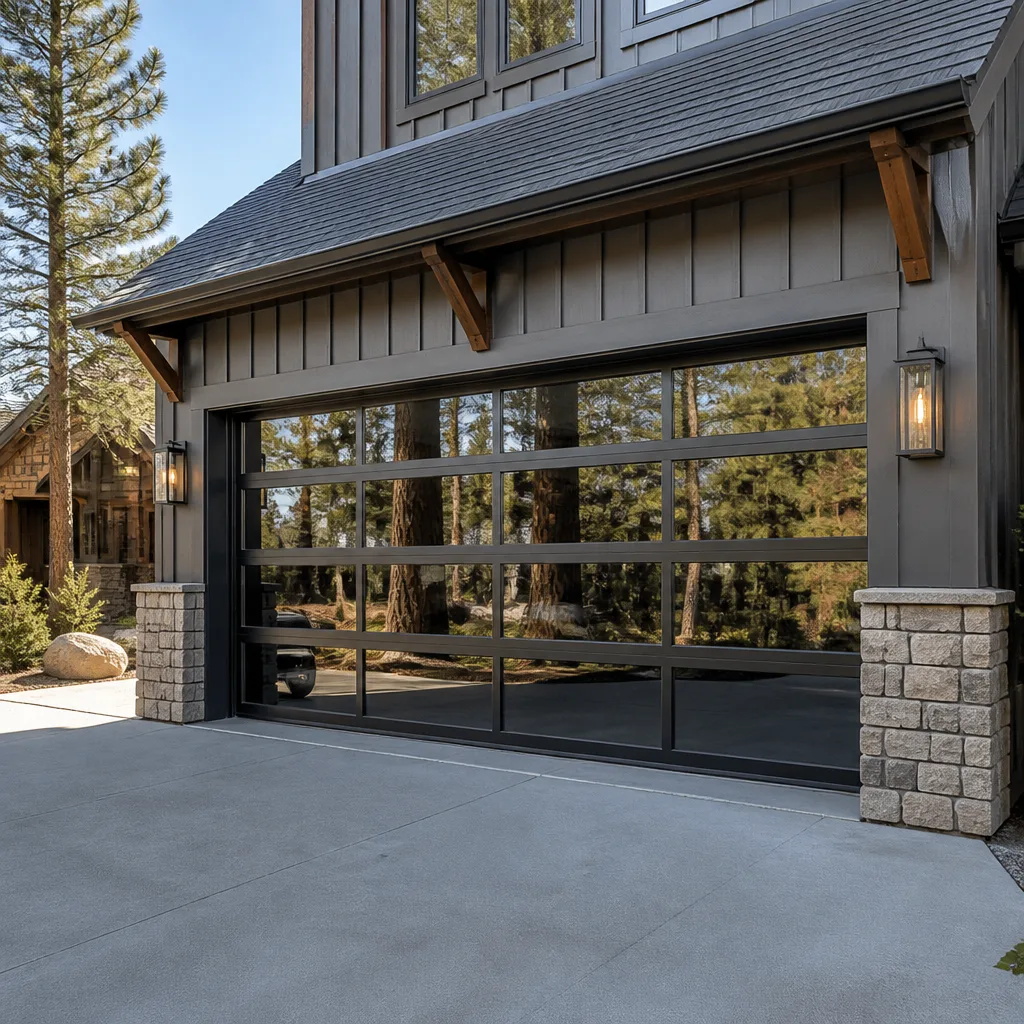 Full-view glass
 LiftMaster openers
 Chamberlain openers
Full 25-point door and opener safety check with every visit - springs, cables, rollers, tracks, and your LiftMaster or Chamberlain opener included
You get a price before we start. It does not change when the truck arrives.
Get your free estimateGarage Door Warning Signs: A Studio City Homeowner’s Reference Guide
A garage door that takes two seconds longer to fully open than it did six months ago is not just an annoyance. It’s a measurable diagnostic signal that something in the spring, cable, or opener drive system has changed. In Studio City, where mid-century ranch homes and hillside properties put unique stress on garage door hardware, ignoring that two-second delay typically doubles the eventual repair cost. This guide covers the early, subtle indicators that give you a repair window before a minor issue becomes a dangerous or expensive one, and you can find more guides & resources in our blog.
Quick Answer
The earliest garage door warning signs in Studio City are a slower open/close cycle than your door’s normal baseline, a grinding or popping noise that maps to a specific component, visible sagging or uneven gaps when the door is halfway up, and a door that hesitates or reverses without command. Any one of these means a component has begun to fail. Catching it now usually means a $150-$300 repair instead of a $600-$1,200 replacement.
Styles & brands we work with
- Raised-panel steel
- Carriage house
- Modern flush
- Full-view glass
- LiftMaster openers
- Chamberlain openers
Table of Contents
- Establishing a Performance Baseline: How to Detect Gradual Degradation
- Sound Mapping: What Grinding, Popping, and Squealing Actually Mean
- Visual Asymmetry Tests: Checking Spring Balance and Door Level
- Older Opener Warning Signs in Studio City’s Mid-Century Homes
- Three Signs of Imminent Spring Failure and Why Delay Is Dangerous
- Cable Wear Patterns Most Homeowners Never Check
- Studio City Climate Factors That Accelerate Hardware Wear
- Common Mistakes to Avoid
- When to Call a Professional
- Frequently Asked Questions
Establishing a Performance Baseline: How to Detect Gradual Degradation
Most Studio City homeowners only notice their garage door when it stops working entirely. By then, the failure has been building for months. The fix is simple: time your door once a month. From the moment you press the wall button or remote to the moment the door fully seats in the open position, count the seconds. Write it down. A standard 7-foot residential door in good condition takes between 12 and 15 seconds to fully open. If your door consistently takes 17, 18, or 20 seconds, something has changed. The opener motor is working harder, a spring is losing tension, or a roller is binding in the track.
Here’s how to establish the baseline in under five minutes:
- Time the full open cycle. Use your phone. Stand where you can see the door fully seat. Record the number.
- Time the full close cycle. It should be within 1-2 seconds of the open time. A close cycle that’s noticeably slower points to spring tension loss, since the opener is now doing more of the work against gravity.
- Listen at three points. The first foot of travel, the midpoint, and the last foot. Note whether the sound changes. A smooth door sounds roughly the same throughout. A door with a flat spot in a roller will chatter or thump at the same point every cycle.
- Watch the door for hesitation. Any point where the door pauses, shudders, or changes speed without a corresponding change in the opener motor sound is a mechanical bind.
- Check the reversing function monthly. Place a 2×4 flat on the floor under the door’s path. Close the door. It should reverse within two seconds of contacting the wood. If it doesn’t, the safety mechanism has failed and the door is unsafe around children and pets.
In our experience with Garage Door Repair in Studio City, the homeowners who keep even a rough mental baseline catch problems three to four months earlier than those who don’t. That’s the difference between replacing a $40 roller and replacing a $200 opener gear.
Sound Mapping: What Grinding, Popping, and Squealing Actually Mean
Garage doors talk. The trick is knowing which component is speaking. A grinding noise and a popping noise come from entirely different systems, and confusing the two leads to the wrong repair. Here’s the map:
Grinding or metal-on-metal scraping
A grinding sound during operation almost always comes from one of two places: the opener’s internal drive gear or a roller that has seized. If the sound seems to come from the motor unit above the door, the drive gear inside the opener has likely worn its teeth down. This is common on chain-drive LiftMaster and Craftsman units that are 10-15 years old. The gear starts as nylon or plastic and eventually strips. If the sound travels with the door and seems to come from the track, you have a roller with a failed bearing. The wheel no longer spins; it slides. That wears a flat spot and gouges the track.
Popping or snapping
A single loud pop followed by the door not moving is usually a spring that has broken. A series of smaller pops during operation is the sound of individual coils on a torsion spring releasing tension. This is an early warning that the spring is fatiguing. Torsion springs are rated for a specific number of cycles, typically 10,000. The average Studio City household cycles the door 4-6 times per day, which works out to roughly 7-10 years of life. When you hear popping from a spring that’s 8 years old or older, schedule a replacement before it breaks at full tension. And do not attempt to adjust or replace a torsion spring yourself. The stored energy in a wound spring can cause serious injury or death if released improperly. This is a job for a trained professional with the right winding bars and experience.
Squealing or high-pitched shrieking
Squealing during operation is nearly always a dry roller or hinge. The fix is usually lubrication, but not with WD-40. Use a garage door-specific silicone or lithium spray. Apply it to the roller bearings, hinges, and the torsion spring coil surfaces. If the squeal persists after lubrication, the roller bearing itself has worn out and needs replacement. Nylon rollers with sealed bearings are quieter and last longer than steel rollers, and they don’t grind down the track the way metal-on-metal contact does.
A door that grinds on the way up but is quiet on the way down has a different issue than one that’s noisy in both directions. The direction of the noise tells you whether the problem is under load or under gravity. Under-load noise points to the opener and drive system. Under-gravity noise points to springs and balance. This distinction matters when you call for service, because it tells the technician where to look first.
Visual Asymmetry Tests: Checking Spring Balance and Door Level
A garage door that’s out of level is a garage door that’s about to cost you money. The springs on a standard residential door are designed to counterbalance the weight evenly. When one spring loses tension or breaks, the door hangs crooked, and the opener is forced to lift uneven weight. That strains the motor, bends the track, and accelerates wear on every moving part in the system.
Here’s the test:
- Disconnect the opener. Pull the red emergency release cord. This lets you move the door manually.
- Lift the door to halfway. It should stay put. A properly balanced door will hold at the midpoint without drifting more than a few inches either way. If it drops, the springs are weak or broken. If it rises, the springs are over-tensioned, which is equally problematic.
- Look at the gap under the door. With the door halfway up, step back and sight along the bottom edge. The gap between the bottom of the door and the ground should be even from left to right. If one side is visibly higher, you have uneven spring tension or a broken spring on one side.
- Examine the tracks. With the door down, check the distance between the door edge and the track on both sides. It should be roughly equal. An off-center door rubs the track, scoring the metal and eventually binding.
- Check the top panel for bowing. A top panel that curves or flexes when the opener starts to lift is a sign that the strut that reinforces the panel has failed or was never installed. This is common on older Wayne Dalton and Raynor doors that predate current building code requirements.
Uneven gaps and a door that won’t hold at the midpoint are the two most reliable visual indicators of spring problems. In Studio City’s hillside neighborhoods, homes built on slopes can have garage slabs that settle, which changes the geometry of the opening over time. A door that was level when installed may not be level ten years later even with healthy springs. If you notice a gap that’s grown gradually, the issue may be the slab as much as the hardware. Either way, a professional assessment will tell you which problem you actually have.
Older Opener Warning Signs in Studio City’s Mid-Century Homes
Studio City has a remarkable concentration of mid-century homes, many built in the 1950s and 1960s. Those homes often have original or second-generation garage door openers with decades of service on them. Older openers fail in specific, recognizable ways before they die completely.
Chain stretch on chain-drive units
Chain-drive openers, which are common on older LiftMaster and Craftsman models, use a metal chain similar to a bicycle chain. Over 15-20 years of use, that chain stretches. A stretched chain sags, slaps against the rail, and creates slack that shows up as a delay between the motor engaging and the door actually moving. You’ll hear the motor start, then hear a clunk about half a second later when the chain takes up the slack. That clunk is the chain jumping. If you hear it consistently, the chain needs adjustment or replacement. A stretched chain that breaks while the door is open can allow the door to fall, which is why this is not a cosmetic issue.
Logic board hesitation
Openers from the 1990s and early 2000s have control boards that degrade over time. The symptom is a delay between pressing the remote and the door responding, or intermittent response: the door opens fine three times, then ignores the remote entirely on the fourth attempt. This is not a remote battery issue if replacing the battery doesn’t fix it. It’s the logic board beginning to fail. On some units, the board can be replaced. On others, the cost of the board approaches the cost of a new opener, and replacement becomes the sensible choice. A technician who works on multiple brands can tell you which one you have. That’s one of the reasons Garage Door Opener Repair in Studio City is a standalone specialty for us: the diagnosis matters as much as the fix.
Photo-eye misalignment patterns
Safety photo eyes, the small sensors mounted near the floor on either side of the door opening, are on every opener manufactured after 1993. On older units, the mounting brackets have often loosened or bent. The sensors drift out of alignment, and the door refuses to close. The opener blinks its lights in a specific pattern. Homeowners often respond by holding the wall button, which overrides the sensors, but that teaches the opener to ignore its safety system and leaves the door unsafe. If your door will close only when you hold the button, the photo eyes are misaligned or faulty. That’s a repair, not a workaround.
Genie and Chamberlain-specific quirks
Different brands fail differently. Genie screw-drive units from the 2000s tend to develop carriage wear that produces a grinding sound from the rail. Chamberlain belt-drive units of a similar vintage more often have logic board capacitor failures that cause intermittent unresponsiveness. Knowing the brand tells a technician where to look first, which is why a multi-brand service approach saves diagnostic time. We work on what you already have: LiftMaster, Chamberlain, Genie, Clopay, Amarr, Wayne Dalton, Craftsman, and Raynor.
Three Signs of Imminent Spring Failure and Why Delay Is Dangerous
Of all the components on a garage door, the torsion spring is the one you should never gamble with. When a spring fails at full tension, the release of stored energy can damage the door, the opener, the track, and anything in the path of the broken coil. The three warning signs below indicate a spring that is near the end of its service life.
- A visible gap in the spring coil. Torsion springs sit on a bar above the closed door. When a spring breaks, you’ll see a space in the coil where the two halves have separated. Park in the driveway and look up before you leave for work. A broken spring is obvious if you know to look. Many Studio City homeowners drive out from under a broken spring every morning without noticing it, because the opener is still managing to lift the door with one good spring. That’s a dangerous situation. The remaining spring is now doing double duty and will fail soon, and when it does the door can drop.
- The door feels heavy when you disconnect the opener. Pull the emergency release and try to lift the door manually. A balanced door should lift with one hand and minimal effort, roughly 8-15 pounds of force. If the door feels like dead weight, the springs have lost significant tension. A door that’s hard to lift manually is a door whose springs are already compromised.
- The door drops the last foot when closing. Watch the door close. It should move at a consistent speed and set down gently. If the door seems to free-fall through the last several inches and hits the ground with a thud, the springs are not providing enough tension to control the descent. This is a sign the springs are either undersized for the door or nearly worn out.
When any of these three signs appears, delaying repair by even a few days is genuinely risky. The spring is the single most dangerous component on the system, and the stored energy does not give warnings. Replace it now, before it breaks at full tension, and you also avoid the secondary damage: a snapped cable, a bent track, a dented car roof. Garage Door Installation in Studio City for springs specifically is a same-day job when we have the right spring for your door weight and size, which is why spring replacement is one of the repairs where acting immediately pays for itself.
Cable Wear Patterns Most Homeowners Never Check
Cables are the quiet killers of garage door systems. They work alongside the springs, transferring lifting force to the bottom corners of the door. When a cable fails, the door can drop on one side, bending the track and the panel. The failure is almost always predictable if you look at the cable once or twice a year.
Here’s what to check:
- Fraying near the bottom bracket. The cable attaches to the bottom corner of the door through a bracket. This is the highest-stress point, and it’s where frays begin. Run your thumb along the length of the cable. A smooth cable can still be worn internally, but visible fraying means replacement is overdue.
- Rust staining on the cable. Garage cables are typically galvanized but not rust-proof. In Studio City’s dry summers, rust is less common than in coastal climates, but if your garage has a water heater leak or a washing machine that vents moisture, the ambient humidity can start rust on the cable. Rusted cable is weaker cable.
- Slack in the cable when the door is down. Both cables should be taut when the door is fully closed. If one has visible slack, the door is out of balance or the cable has slipped on the drum. That slack can allow the cable to come off the drum entirely, which frees one side of the door and causes the catastrophic drop.
- A cable that sits loosely on the drum. With the door closed, look at the drums above the door, where the cables wrap. The cable should wrap in a neat, tight coil. A loose or overlapping wrap means the cable has been slipping, and slippage accelerates wear.
- Door jerking sideways during operation. Watch the door from inside the garage. A door that shifts a half-inch left or right as it moves has a cable issue on one side. The shift is the door compensating for uneven lift.
Cable replacement is not a DIY job. The cables are under the same spring tension as the springs themselves, and a cable that releases while under tension moves fast enough to cut. This is another component where a professional with the right tools and training makes the difference between a $200 repair and an emergency room visit.
Studio City Climate Factors That Accelerate Hardware Wear
Studio City’s climate is forgiving compared to most of the country, but it has its own specific effects on garage door systems, as detailed in our guide to Seasonal Garage Door Care for Studio City: Year-Round Homeowner’s Guide. The San Fernando Valley heat is the biggest one. Summer temperatures regularly top 95°F, and a garage that’s uninsulated or poorly ventilated can reach 120°F or higher inside. Metal expands in heat. Tracks expand, rollers expand, and the door panels themselves expand. Hardware that fit snugly at 70°F can bind at 120°F, which is why some doors operate fine in the morning and grind in the afternoon. That thermal binding is a real phenomenon, and it’s one reason a door should be tuned with appropriate clearance for the temperature range it will actually experience.
The second factor is dust. The Santa Ana winds carry fine particulate into garages through the gaps around the door and through the vents. That dust settles on the tracks, the rollers, and the opener’s drive rail. Mixed with the lithium grease on a chain or screw drive, it forms a paste that accelerates wear. Homes on hillside streets with unpaved drainage channels, like some of the canyons off Laurel Canyon Boulevard, see more dust than the flats. A twice-yearly track cleaning with a dry cloth is the simplest preventative measure a Studio City homeowner can take.
The third factor is the Santa Ana’s dryness, which affects rubber and nylon components. Weather seals at the bottom of the door dry out and crack, letting dust and rodents into the garage. Nylon rollers with factory-sealed bearings are resistant, but rollers that are ten years old with dried-out grease will fail sooner in a dry climate than a humid one. The back-and-forth between the valley heat and the cool evening air also causes condensation cycles on metal parts, which contributes to the rusting mentioned in the cable section, particularly on homes that store pool chemicals or fertilizer in the garage.
Common Mistakes to Avoid
- Ignoring a slow door because it still works. A door that opens in 18 seconds today will open in 22 seconds in six months. The slowdown is the warning. Every month you ignore it, the underlying problem compounds and the repair cost goes up. The two-second delay mention from the top of this guide is not rhetorical.
- Lubricating everything with WD-40. WD-40 is a solvent, not a lubricant. It strips existing grease and leaves the part drier than before. Use a silicone or lithium spray formulated for garage doors, and never spray the track walls, which should stay dry so the rollers grip properly.
- Holding the wall button to override the safety sensors. The photo eyes exist so the door doesn’t close on a person, pet, or bicycle. When you hold the button to force the door down, you’re deliberately bypassing the safety system. Fix the sensor instead. It’s a straightforward alignment or replacement for a professional.
- Replacing the whole door when only the opener is failing. Many Studio City homeowners assume a door that’s stuck or unresponsive means the door itself has failed. Often the opener is the problem, and a $250 opener repair restores full function. We’re a repair-first operation. We’ll tell you when a replacement is genuinely necessary and when it isn’t.
- Attempting DIY spring or cable work. Torsion springs and cables are under extreme tension. The tools to do this work safely are specialized, and the consequences of a mistake are severe. This is the one area where professional repair is not optional. A trained technician is the difference between a controlled repair and a hospital visit.
- Waiting until the door fails completely to establish a relationship with a repair company. The worst time to find a garage door technician is at 7 a.m. when your car is trapped inside the garage and you’re late for work. Knowing who you’ll call, and having a sense of your door’s baseline, means that when something does fail, you’re making a calm call rather than a panicked one.
- Assuming all openers are interchangeable. A Craftsman opener from 2005 and a Raynor opener from 2020 have different drive systems, different logic boards, and different repair requirements. A technician who only knows one brand may misdiagnose the other. Multi-brand fluency means the diagnosis is based on what your specific opener actually needs.
When to Call a Professional
Some warning signs are informational: a squeal that responds to lubricant, a slight slowdown that a track cleaning fixes, a photo-eye alignment that takes thirty seconds to correct. Others demand professional attention immediately. A broken spring. A frayed or slack cable. A door that drops the last foot when closing. A chain that’s visibly sagging on the opener rail. A door that jerks sideways during operation. Any of these is a mechanical failure in progress, and the longer it runs, the more secondary damage it causes. Mustang Garage Door Service offers free estimates in Studio City, and we work on what you already have, from the spring to the smart opener. Call (855) 633-3903 and describe what you’re seeing. We’ll tell you whether it’s urgent, and we’ll quote the price before any work starts.
Frequently Asked Questions
Spring replacement in Studio City typically runs $180-$350 for a pair of torsion springs, including labor, depending on the spring size and cycle rating. The price is quoted and agreed before any work starts, so there are no surprises on the invoice. Call (855) 633-3903 for an exact quote on your door.
Spring replacement and many opener repairs can often be completed the same day, since we carry the springs, rollers, and common opener parts for all eight major brands on the truck. Larger jobs like full door replacement require measurement and ordering. Call us and we’ll give you a realistic timeline for your specific situation.
A slower open cycle means the opener is working harder against increasing resistance. The usual causes are weakening springs, a failing opener drive gear, binding rollers, or a track that’s out of alignment. It’s the most common early warning sign, and it’s one that rarely resolves itself.
That’s the classic symptom of misaligned or failed photo-eye safety sensors. The opener is refusing to close normally because it can’t confirm the door’s path is clear. Holding the button overrides the safety system, which we don’t recommend. The fix is usually a simple sensor realignment or replacement.
Yes. Garage Door Opener Repair in Studio City is a named specialty for us specifically because so many homes in the area have older LiftMaster, Genie, and Craftsman units that require brand-specific diagnosis. Chain stretch, logic board failure, and carriage wear are all repairable on most units, and we’ll tell you honestly when replacement is the smarter financial choice.
Disconnect the opener with the emergency release cord and lift the door to the halfway point. A balanced door will hold its position without drifting more than a few inches. If it drops, the springs are weak. If it rises, they’re over-tensioned. Either condition means the opener is doing work the springs should be doing.
Not necessarily. A broken spring is a spring replacement issue, not a door replacement issue. We replace the springs as a pair, since both have the same service life, and the door is typically back in service within a day. Door replacement only makes sense when the panels, track, or frame have failed, or when you’re upgrading for insulation or aesthetic reasons.
The Bottom Line
The garage door is the largest moving part in your home, and it gives you warnings. A slow cycle. A grinding noise that maps to the opener, not the door. A door that drops the last foot. A cable that’s fraying at the bracket. A photo eye that’s drifted out of alignment. These are not mysterious failures. They’re specific, diagnosable signals, and in Studio City’s heat, dust, and mid-century housing stock, they follow predictable patterns. The homeowners who catch them early spend a few hundred dollars on repairs. The ones who miss them spend a thousand or more on replacements, and sometimes worse. Learn your door’s baseline, check it monthly, and when something changes, call a technician who works on whatever you already have. From the spring to the smart opener, we’re built to move.
Ready to get your garage door checked? Call (855) 633-3903 for a free estimate in Studio City. We work on LiftMaster, Chamberlain, Genie, Clopay, Amarr, Wayne Dalton, Craftsman, and Raynor. The right part, the right fix, quoted before we start.
Written by the team at Mustang Garage Door Service, serving Studio City since 2011.
See the difference
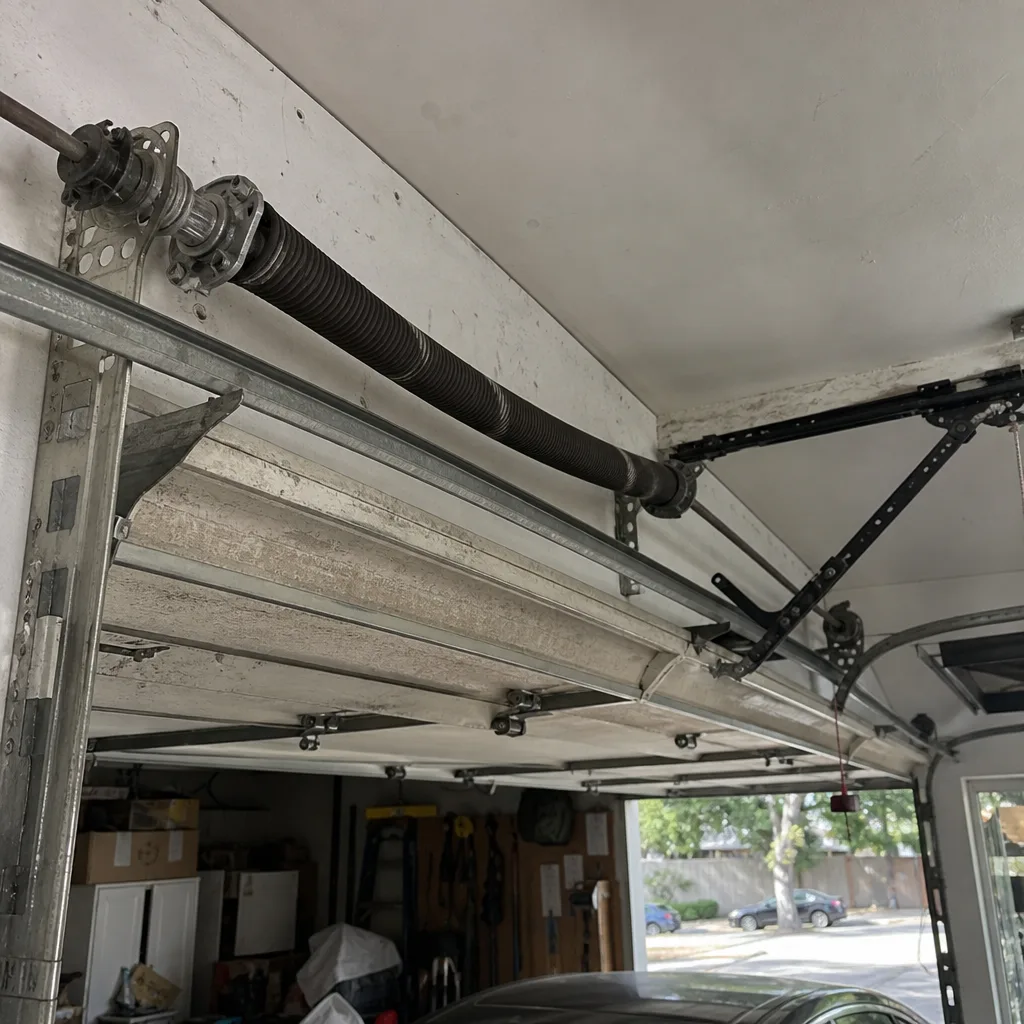 Before
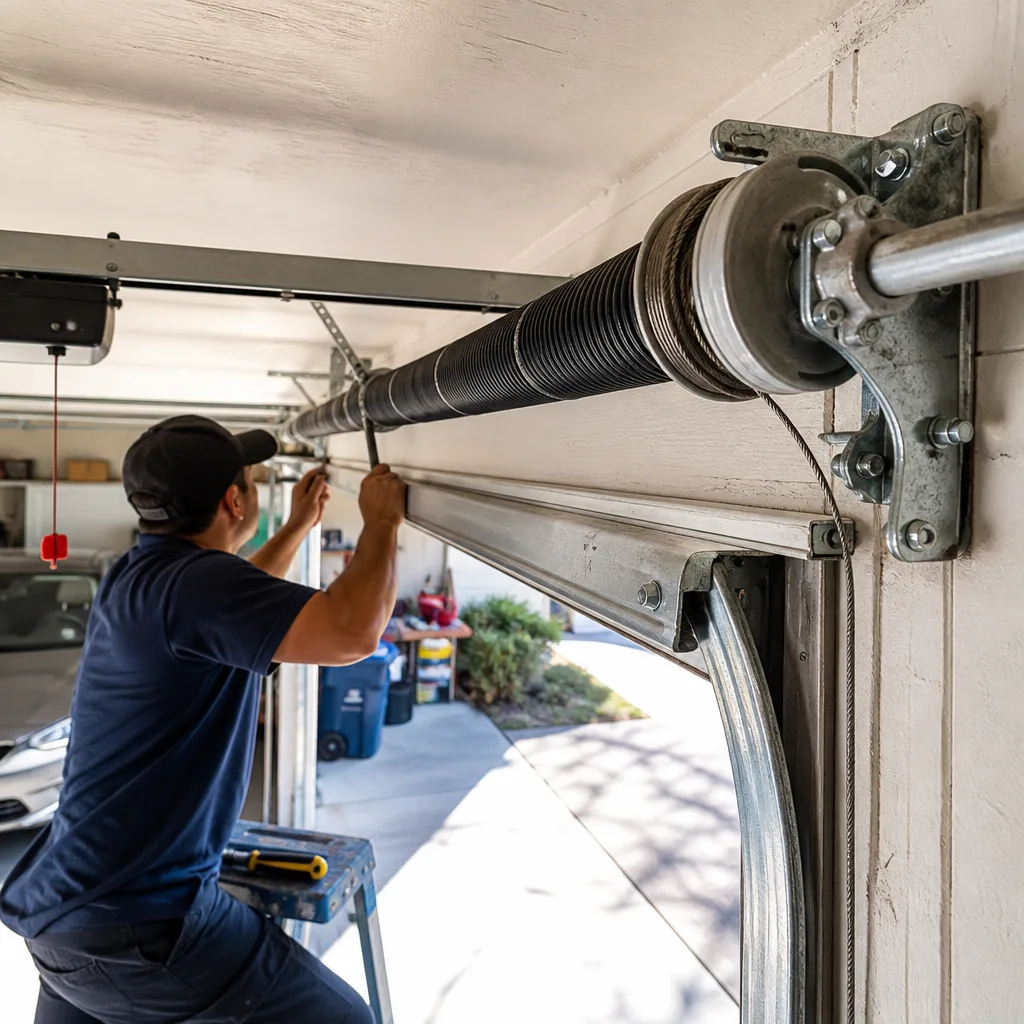 After
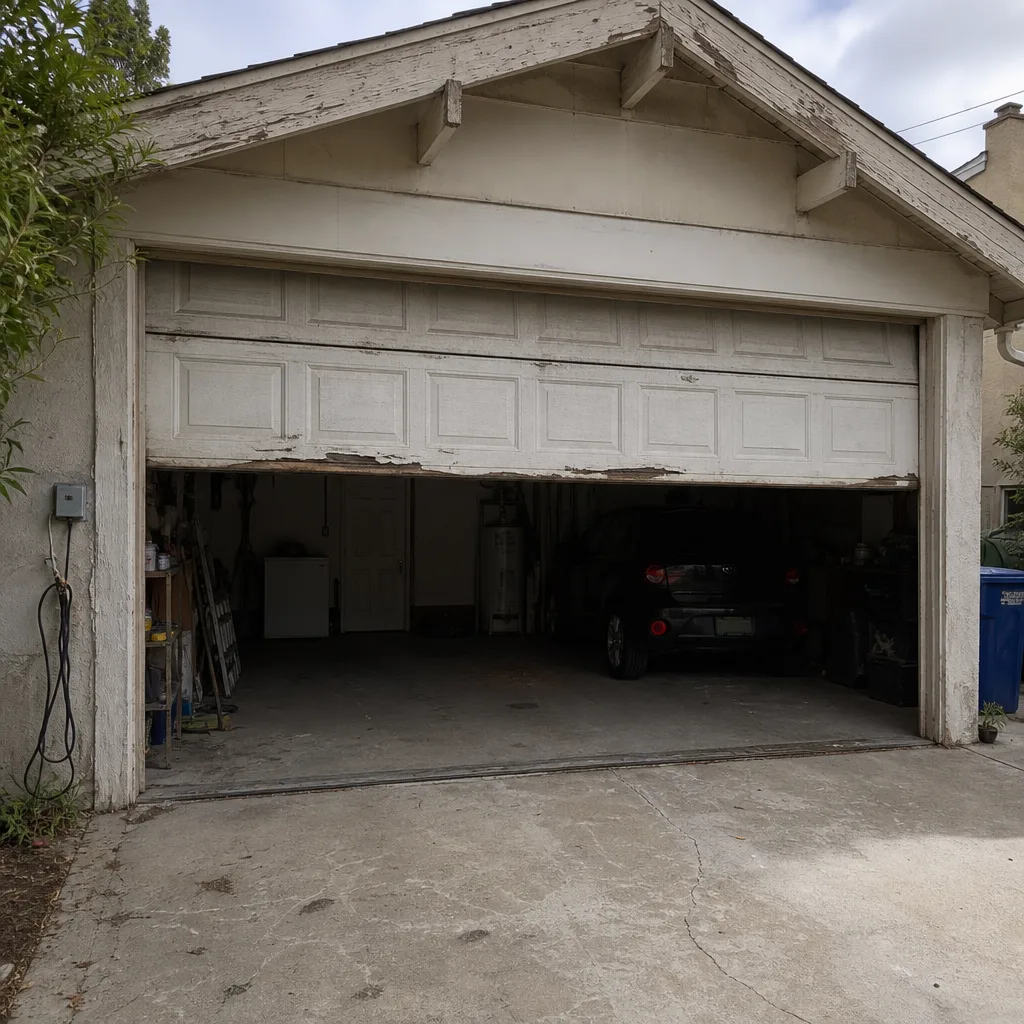 Before
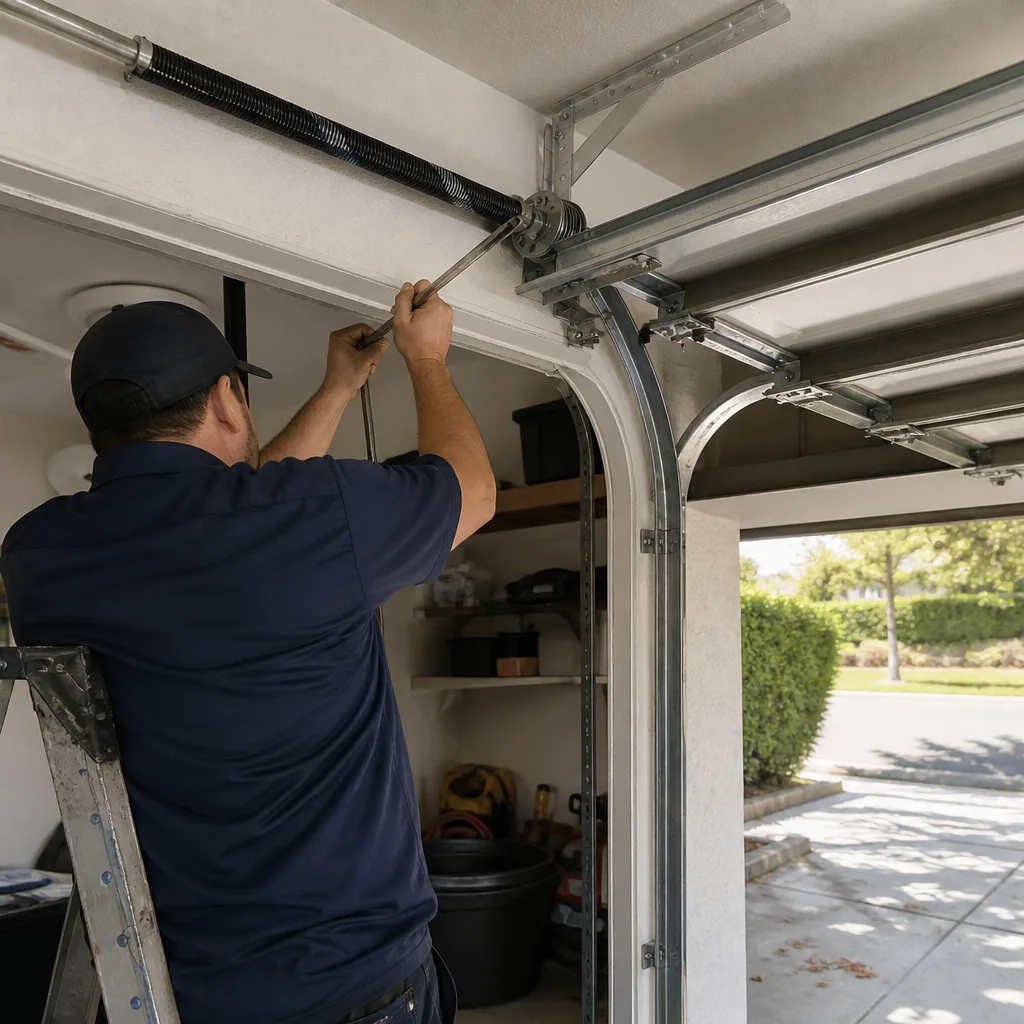 After
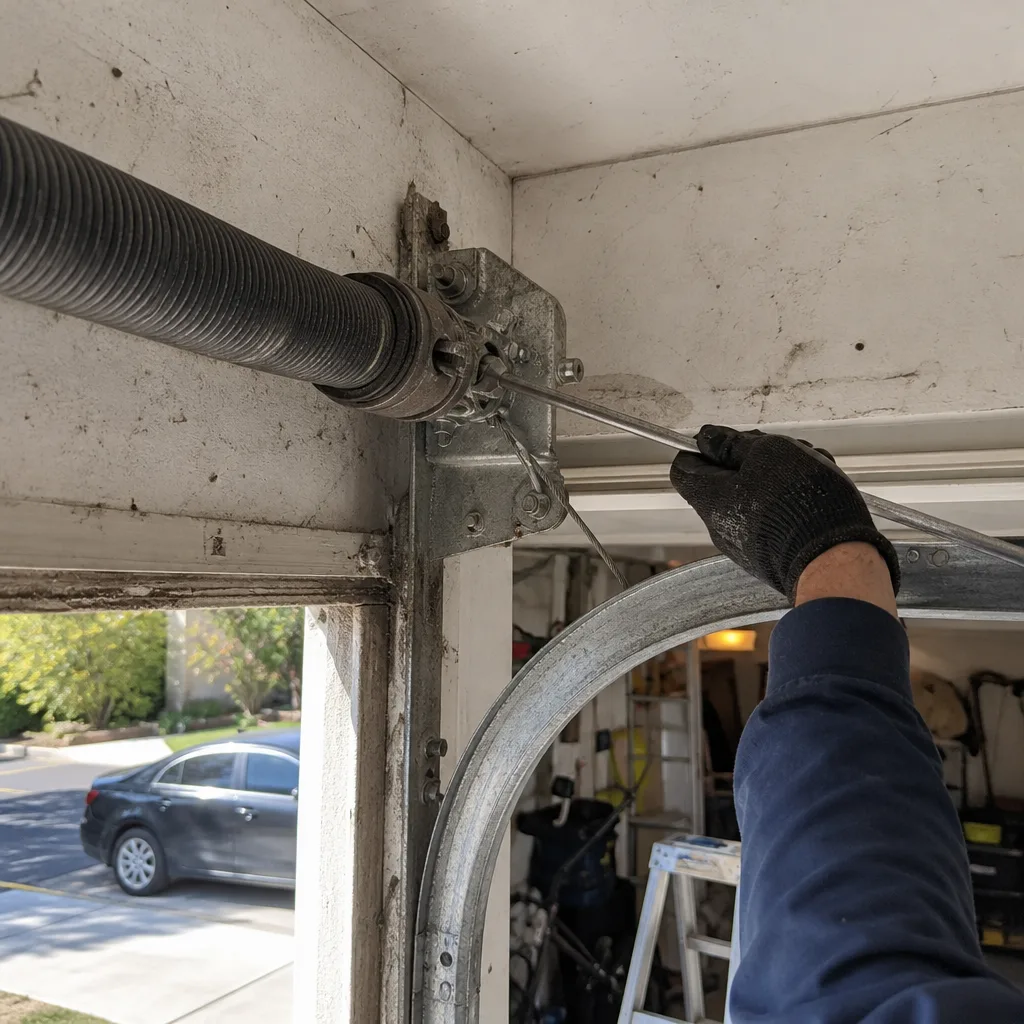 Before
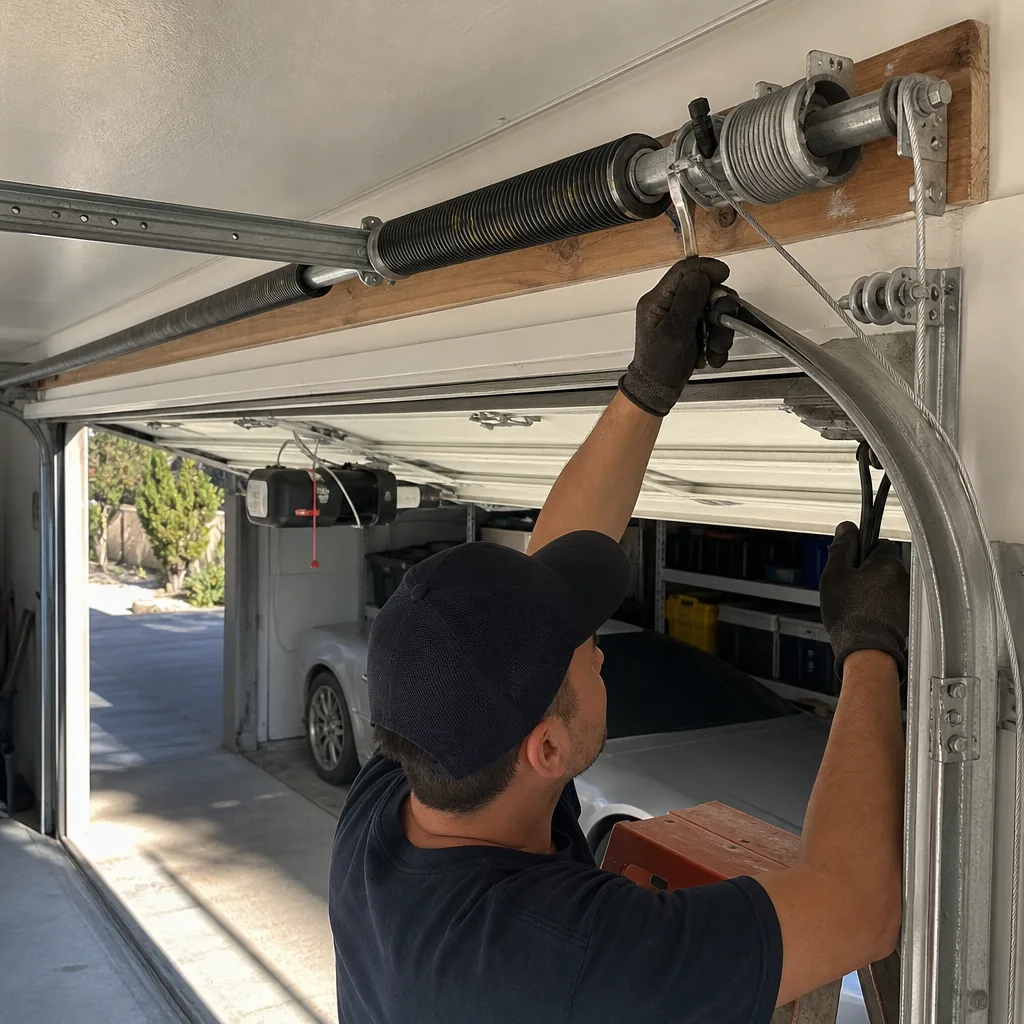 After