
Last updated November 2, 2026
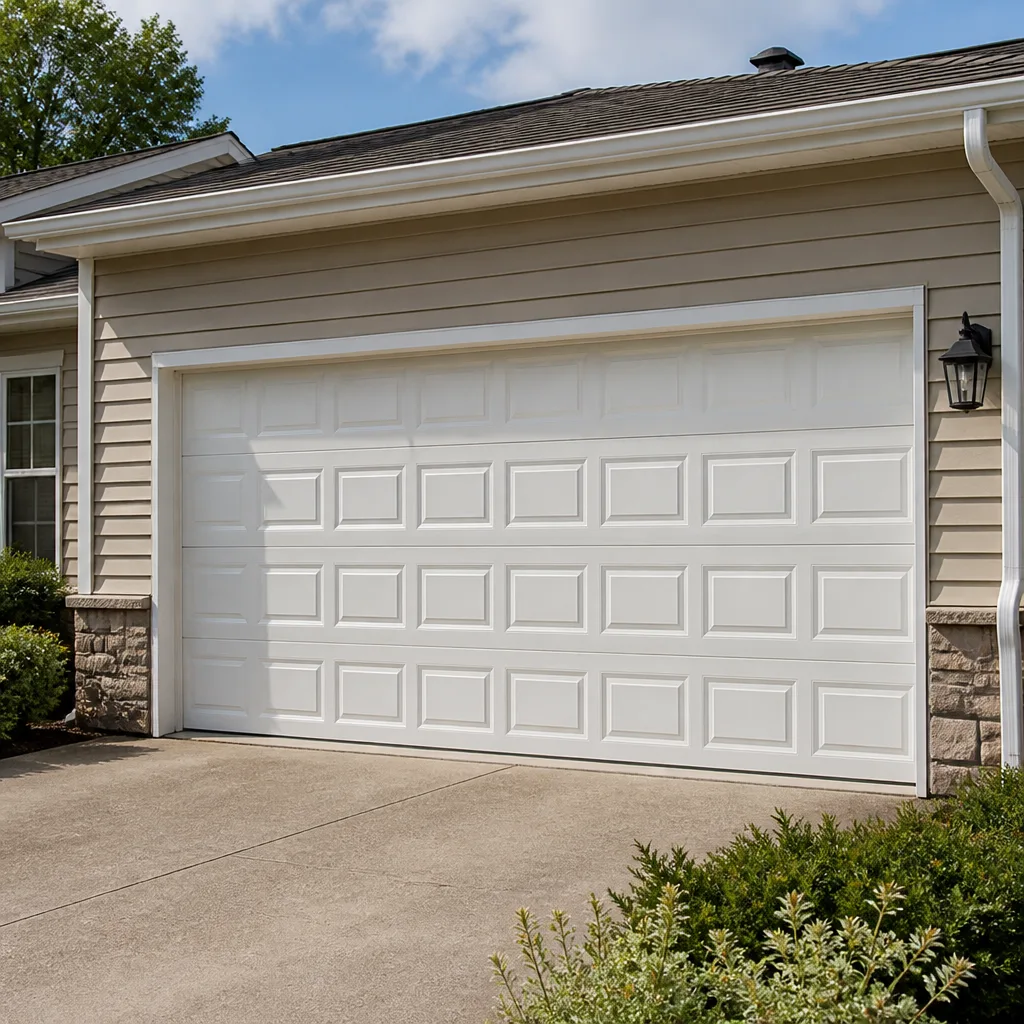 Raised-panel steel
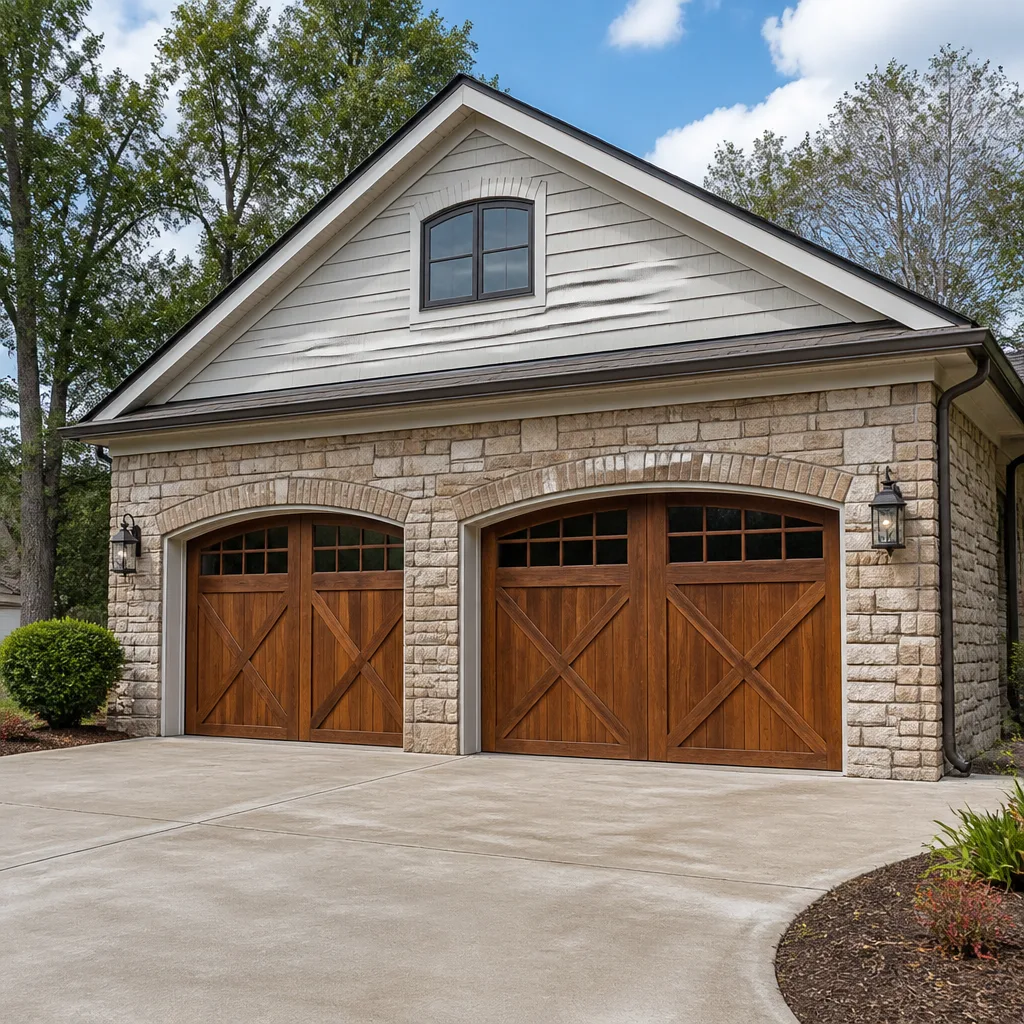 Carriage house
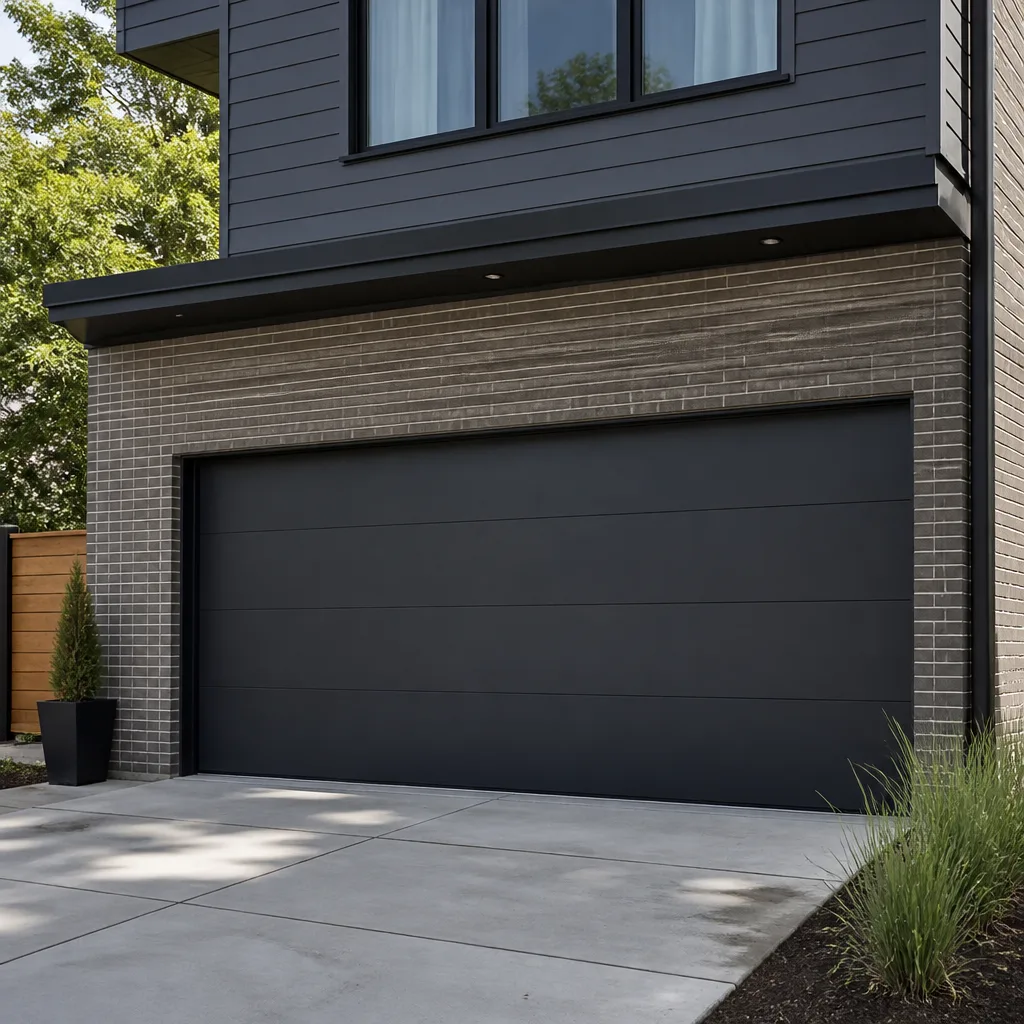 Modern flush
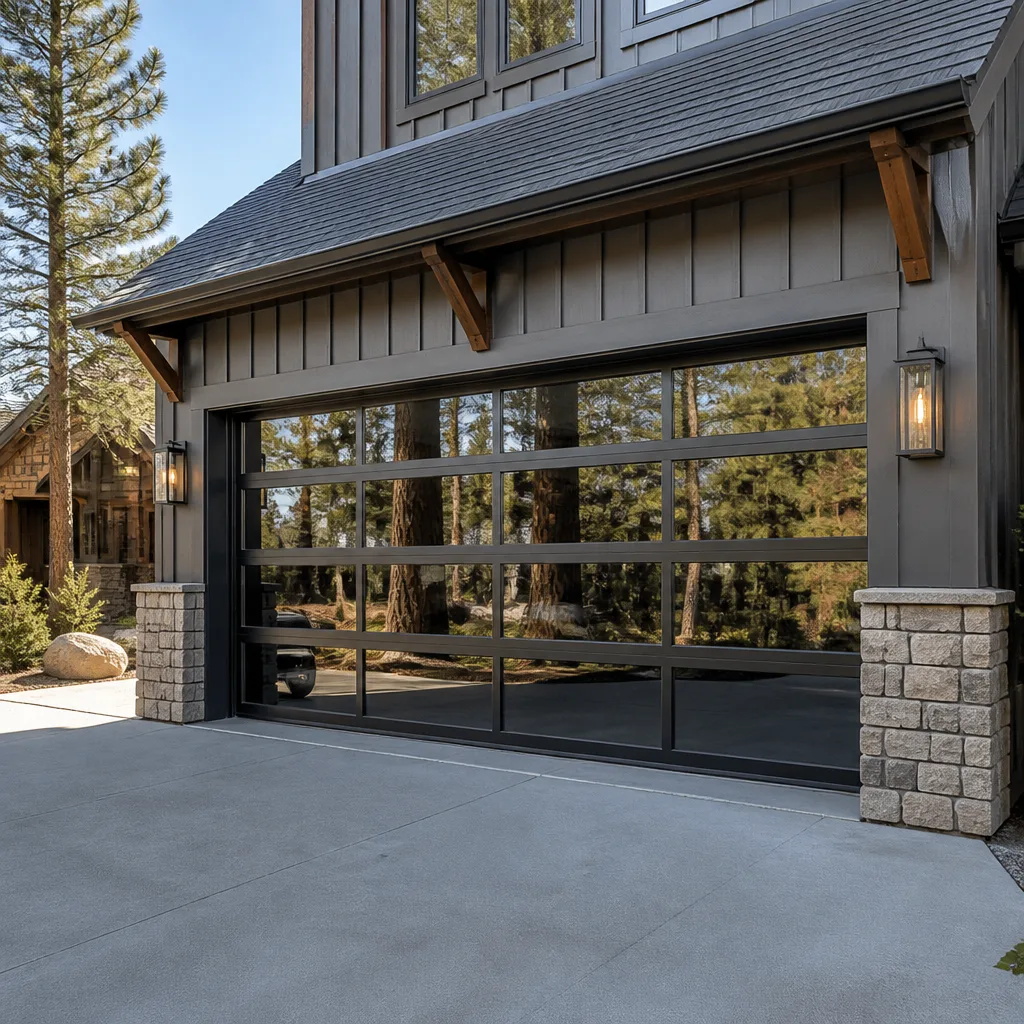 Full-view glass
 LiftMaster openers
 Chamberlain openers
Full 25-point door and opener safety check with every visit - springs, cables, rollers, tracks, and your LiftMaster or Chamberlain opener included
You get a price before we start. It does not change when the truck arrives.
Get your free estimateGarage Door Permits, Codes & Inspections in CA: What You Need to Know
Here’s something that surprises most Studio City homeowners: a “simple” garage door swap isn’t always simple in the eyes of Los Angeles County. Replace just the panels on a standard single-car door and you’re likely fine. But alter the opening, change the header, install a new door where none existed, or touch certain structural elements, and California Residential Code (CRC) says you need a permit. Skip it and the consequences show up later, during an insurance claim after a fire, or in the escrow file when you sell the house. This guide walks through the actual thresholds, the codes that apply, how inspections work, and what unpermitted work costs to fix, while our Garage Door Warning Signs: A Studio City Homeowner’s Reference Guide helps you spot trouble early. We’ve worked on garage doors across Studio City and the surrounding Valley for years, and we’ve watched these rules catch homeowners off guard more times than we can count.
Styles & brands we work with
- Raised-panel steel
- Carriage house
- Modern flush
- Full-view glass
- LiftMaster openers
- Chamberlain openers
Quick Answer
In California, including Los Angeles County, most garage door repairs (springs, cables, openers, panel replacement on an existing opening) do not require a permit. However, replacing a garage door in a way that modifies the opening, header, framing, or fire rating, or installing a door in a new location, generally requires a building permit under the California Residential Code. Los Angeles County also enforces Title 24 energy standards and seismic/wind-load requirements that affect door selection, particularly for attached garages.
Table of Contents
- When Does a Garage Door Project Require a Permit in California?
- LA County vs. City of Los Angeles: Which Rules Apply to Studio City?
- Title 24 and Garage Doors: The Energy Code Most Homeowners Miss
- Seismic and Wind-Load Requirements in California Residential Code
- What Happens When Unpermitted Work Shows Up in Escrow or an Insurance Claim
- The Garage Door Permit and Inspection Process, Step by Step
- Common Mistakes to Avoid
- When to Call a Professional
- Frequently Asked Questions
- The Bottom Line
When Does a Garage Door Project Require a Permit in California?
The line between permit-exempt repair and permit-required replacement comes down to one question: are you changing the structure, the opening, or the door’s fire rating? California Residential Code Section R105.2 lists work exempt from permits, and ordinary repairs fall under that umbrella. Replacing a broken spring, swapping out rusted hinges, installing a new opener, or even replacing the door panels themselves on an existing opening is considered maintenance and repair, as detailed in our Garage Door Repair Troubleshooting: Common Problems and How to Fix Them. No permit needed. We do this kind of work routinely for homeowners in Studio City and across the Valley without any paperwork.
But here’s where it shifts. If the project involves any of the following, you’re almost certainly in permit territory:
- Modifying the rough opening: widening, raising, or otherwise changing the framed opening to fit a different door size.
- Altering or replacing the header: the beam above the opening carries structural load from the roof above. Touch it and the building department wants to see the plans.
- Cutting a new opening: converting a carport to a garage or adding a door where there wasn’t one before triggers a full plan review.
- Changing the fire rating: in attached garages, the wall and door between the garage and living space must meet specific fire-separation requirements. Swapping a fire-rated door for a non-rated one is a code violation, and the permit process is where that gets caught.
- Replacing an entire door assembly when the project scope is part of a larger remodel: if you’re already pulling permits for other work, the garage door typically gets folded into that permit.
In our experience, the most common surprise comes from the “full replacement” scenario. A homeowner in Studio City assumes that because it’s the same size door in the same opening, it’s a repair. They’re often right. But if the existing door is old enough that the current code requires additional seismic strapping, or the new door has a different weight requiring upgraded springs and track, the inspector may want to see it permitted. The safe move is to ask before the old door comes off the hinges.
LA County vs. City of Los Angeles: Which Rules Apply to Studio City?
Studio City sits in a jurisdictional gray zone that confuses even long-time residents. The neighborhood is part of the city of Los Angeles, but the Los Angeles County Department of Building and Safety (LADBS) and the LA County planning department have overlapping authority in certain unincorporated pockets. For most Studio City addresses, the Los Angeles Department of Building and Safety (LADBS) is the agency that issues permits and conducts inspections. However, if you live in one of the unincorporated county islands within or adjacent to Studio City, your permitting authority is the Los Angeles County Building and Safety Division.
Why does this matter for a garage door? Because the two agencies have different fee schedules, different plan review timelines, and occasionally different interpretations of the same code section. A project that LADBS processes as a simple over-the-counter permit might require a full plan review in the county system, or vice versa. Both agencies enforce the same California Residential Code as their baseline, but local amendments can vary.
Here’s the practical route to figure out which one applies to you:
- Go to the LA County Assessor’s portal and enter your address. Look at the jurisdiction field.
- If it says “Los Angeles” with no county qualifier, you’re under LADBS. If it lists an unincorporated designation, you’re in county territory.
- Call the relevant building department and describe your project. Ask directly: “Is a permit required for this garage door work, and can I get that over the counter?”
We’ve helped Studio City homeowners navigate both systems. The paperwork burden is real but manageable, and getting the jurisdiction right on the front end saves weeks of delay on the back end.
Title 24 and Garage Doors: The Energy Code Most Homeowners Miss
California’s Title 24, Part 6 energy standards apply to more than windows and HVAC systems. They cover garage doors, too, specifically when the garage is attached to conditioned living space. The logic is straightforward: an attached garage shares walls and sometimes ceiling cavities with the house, so an uninsulated garage door becomes a thermal weak point that drags down whole-house energy efficiency.
For attached garages in climate zones like Studio City’s (Zone 9), Title 24 sets minimum insulation values for garage doors. As of the 2022 energy code cycle, new or replacement doors on attached garages must meet a minimum R-value, typically R-4 and above for sectional steel doors, though exact requirements depend on the door’s construction and the specific compliance approach the project uses. The prescriptive path is the most common for single-family homes: meet the stated R-value for your climate zone and you’re compliant.
What this means in practice:
- If you’re replacing a garage door on an attached garage, the new door must meet current Title 24 insulation requirements. An uninsulated steel door may not pass.
- If your garage is detached, Title 24 generally does not apply to the door itself, since there’s no conditioned space directly affected.
- Manufacturers like Clopay, Amarr, and Wayne Dalton all produce Title 24-compliant insulated doors, and the compliance documentation ships with the product. Keep it for your permit file.
- Some homeowners choose to exceed minimum R-values for comfort, especially in Studio City’s hot summers, where an uninsulated west-facing garage door can turn the garage into an oven and radiate that heat into adjacent rooms.
The title 24 requirement catches people because it’s invisible. The door looks the same from the outside, but the insulation spec is a code compliance issue that gets flagged during inspection if the wrong door was ordered. We always check the attached/detached status and current code cycle before recommending a specific door model.
Seismic and Wind-Load Requirements in California Residential Code
California building code treats a garage door as more than a moving wall. It’s a structural component that must resist lateral forces from earthquakes and wind uplift in certain zones. For Studio City homeowners, the seismic provisions matter more than most people realize. The Northridge earthquake in 1994 reshaped how Southern California thinks about garage door hardware, because dozens of homes suffered garage failures that compromised the living space above.
Under the California Residential Code, garage doors in Seismic Design Categories D, E, and F, which includes most of Los Angeles County, must be installed with track systems and mounting hardware rated for seismic loads. In plain terms, that means:
- The horizontal track must be anchored to the ceiling structure with specific fastener spacing and size, not just whatever drywall anchors are handy.
- The vertical track attaches to the jambs with lag bolts or equivalent rated anchors, not wood screws.
- Doors over 8 feet wide or over 12 feet tall may require additional reinforcement or mid-span supports to prevent racking during a seismic event.
- Wind-load requirements, drawn from ASCE 7 and the local wind speed map, affect door panel thickness and strut placement for doors facing significant exposure, though this is a larger concern in the high desert and mountain communities than in the Valley.
The practical takeaway: a garage door that opens and closes smoothly is not necessarily code-compliant. The anchoring is what keeps it attached to the house during the shaking, and that anchoring is part of what an inspector verifies when a permit is pulled. For repair work that doesn’t require a permit, it’s still worth having a technician check the anchor points. We regularly find doors in Studio City that operate fine but have vertical track lag bolts that have worked loose over decades of use.
What Happens When Unpermitted Work Shows Up in Escrow or an Insurance Claim
Unpermitted garage door work rarely causes a problem the day it’s done. It causes a problem the day you sell the house, or the day you file a claim. Here’s how each scenario plays out.
During a real estate transaction, the buyer’s home inspector and the title company’s records review may flag work that doesn’t match the permit history. A garage door that was replaced without a permit may not be specifically called out, but if the seller is asked to complete a disclosure statement, and they answer honestly that unpermitted work was done, that disclosure becomes part of the negotiation. The buyer can demand the seller pull a retroactive permit, which requires exposing the work to inspection, fixing anything non-compliant, and paying fees that are often double the original permit cost. In a market like Studio City’s, where homes move fast, a retroactive permit demand can delay closing by 30 to 60 days.
Insurance is the second trigger. If a wildfire damages the garage and the adjuster discovers the door was replaced without a permit, the insurer may argue the unpermitted work contributed to the loss and reduce or deny the claim. We’ve seen this happen with garage doors that lacked proper fire-rated construction between an attached garage and the living space above. The insurance company doesn’t need to prove the door caused the fire; they need to show the unpermitted work changed the risk profile, and their policy language often gives them that opening.
The cost to remediate unpermitted work varies, but a retroactive permit for a garage door replacement in the city of Los Angeles typically runs between $200 and $600 in fees alone, plus any corrections required to bring the work up to code. That’s before you factor in the time and stress of coordinating inspections on a house you’re trying to sell.
The Garage Door Permit and Inspection Process, Step by Step
If your project does require a permit, the process is more manageable than most people expect. Here’s the sequence we walk Studio City homeowners through.
- Confirm jurisdiction. Determine whether you’re under LADBS or LA County Building and Safety. This dictates which forms, fees, and online portals you’ll use.
- Determine the permit type. Most garage door work that requires a permit qualifies as a “repair/replacement” permit, which is issued over the counter without architectural drawings. New openings or structural header changes require plan review.
- Gather documentation. You’ll need the door manufacturer’s specifications, including dimensions, weight, insulation R-value (for attached garages), and any seismic/wind-load rating data. Door manufacturers like Clopay, Amarr, and Wayne Dalton publish these specs for every model.
- Submit the application. Both LADBS and LA County accept online permit applications for simple projects. Fee payment is due at submission for over-the-counter permits.
- Schedule the inspection. Once the door is installed, call for an inspection. The inspector verifies the assembly matches the permit description, checks anchoring and fire-rating compliance, and confirms Title 24 insulation if applicable.
- Close out the permit. After the inspection passes, the permit is signed off and recorded. Keep a copy with your home records. You’ll want it when you sell.
The entire process for a straightforward permitted replacement typically takes two to three weeks from application to final sign-off, with the inspection itself lasting about 20 minutes. The inspection is not something to fear if the work was done correctly, but it will catch shortcut anchoring and wrong-door substitutions.
Common Mistakes to Avoid
- Assuming every replacement is exempt. The most expensive mistake is the assumption itself. If the header or opening changes, or the door’s fire rating shifts, the work was never exempt, and the problem compounds the longer it goes unaddressed.
- Ordering a non-insulated door for an attached garage. Title 24 applies to replacement doors on attached garages in Studio City, and a cheap uninsulated door fails inspection. You’ll be buying the door twice.
- Skipping the permit to save $300. The retroactive permit, after fees and corrections, rarely costs less than $800 to $1,000. The math never works in favor of skipping it.
- Confusing city and county rules. We’ve answered calls from Studio City residents who pulled the right form from the wrong agency and had their application rejected. Confirm jurisdiction first.
- Using drywall anchors or wood screws for track mounting. Seismic anchoring requirements are specific about fastener type and spacing. The wrong hardware is the single most common correction we make on doors installed by non-specialists.
- Not keeping manufacturer documentation. The R-value sheet and wind-load data for your new Amarr, Clopay, or Craftsman door are part of your permit file. Lose them and you may have trouble at inspection or during resale.
- Treating the garage door as a separate project during a remodel. If you’re pulling permits for a kitchen addition that touches the garage wall, the door work needs to be on the same permit. Separate processes create confusion and can trigger stop-work orders.
When to Call a Professional
You can research permits, fill out applications, and pull a door permit yourself. But there are times when bringing in a specialist saves real money. If you’re unsure whether your specific project crosses the permit threshold, call someone who has seen the inside of enough LA County inspections to know how the local plans examiners interpret the code. If your door needs seismic anchoring upgrades, an experienced installer will pull the right fasteners and spacing the first time, which is the difference between passing inspection and a correction notice. And if you’re replacing a door on an attached garage, you need someone who understands Title 24 compliance and can order the correctly insulated door for your climate zone. Mustang Garage Door Service offers free estimates in Studio City, and we’re happy to assess your existing door, explain what your project requires, and point you toward more guides & resources.d the right permit path before any work starts. Call (855) 633-3903 to schedule.
For more detail on the repair and replacement work we handle in the area, see our pages on Garage Door Repair in Studio City and Garage Door Installation in Studio City. If your project is opener-related, our Garage Door Opener Repair in Studio City page covers that side of the work.
Frequently Asked Questions
You need a permit if the replacement modifies the opening, header, framing, or fire rating, or if you’re cutting a new opening. A straight same-size door swap on an existing opening typically does not require one, though Title 24 insulation requirements still apply for attached garages. Call (855) 633-3903 if you’re unsure which category your project falls into.
No. Spring, cable, roller, and opener repairs are permit-exempt maintenance under California Residential Code, and this applies throughout Studio City. The work doesn’t change the structure, the opening, or the door’s fire rating.
For a simple over-the-counter permit, expect to pay between $150 and $400 depending on the valuation of the work and whether you’re under LADBS or LA County jurisdiction. Plan review, if required for structural changes, adds another several hundred dollars. Get an exact quote from the building department before starting.
Replacement doors on attached garages in climate zones like Studio City’s must meet minimum insulation R-values set by California’s Title 24, Part 6 energy code. The exact requirement depends on the compliance approach, but insulated sectional doors from Clopay, Amarr, and Wayne Dalton are commonly specified. Check with your installer before ordering.
Yes. Unpermitted work must be disclosed during sale, and buyers often demand the seller pull a retroactive permit before closing. That can add 30 to 60 days and $800 or more in fees and corrections, depending on what the inspector finds.
When a permit is required, the inspection includes verification that track anchoring and hardware meet seismic provisions in the California Residential Code. Pass or fail often comes down to the fasteners used on the vertical track and horizontal angles. We recommend having anchor points checked even on permit-exempt repairs, since decades-old lag bolts in Studio City homes often have worked loose.
The Bottom Line
Garage door permit rules in California are not as complicated as they look once you understand the one dividing line: does the work change the structure, the opening, or the fire rating? If the answer is no, you’re doing exempt repair. If the answer is yes, pull the permit before any work starts. The stakes are manageable, but the cost of getting it wrong, in escrow delays, insurance complications, and retroactive permits, is real. For Studio City homeowners, the practical path is to confirm jurisdiction, check Title 24 insulation requirements if the garage is attached, and have seismic anchoring verified by someone who understands local code. If you’re weighing a repair or replacement, Mustang Garage Door Service home is here to help you sort out what your project actually requires. Call (855) 633-3903 for a free estimate.
Written by the team at Mustang Garage Door Service, serving Studio City since 2011.
See the difference
 Before
 After
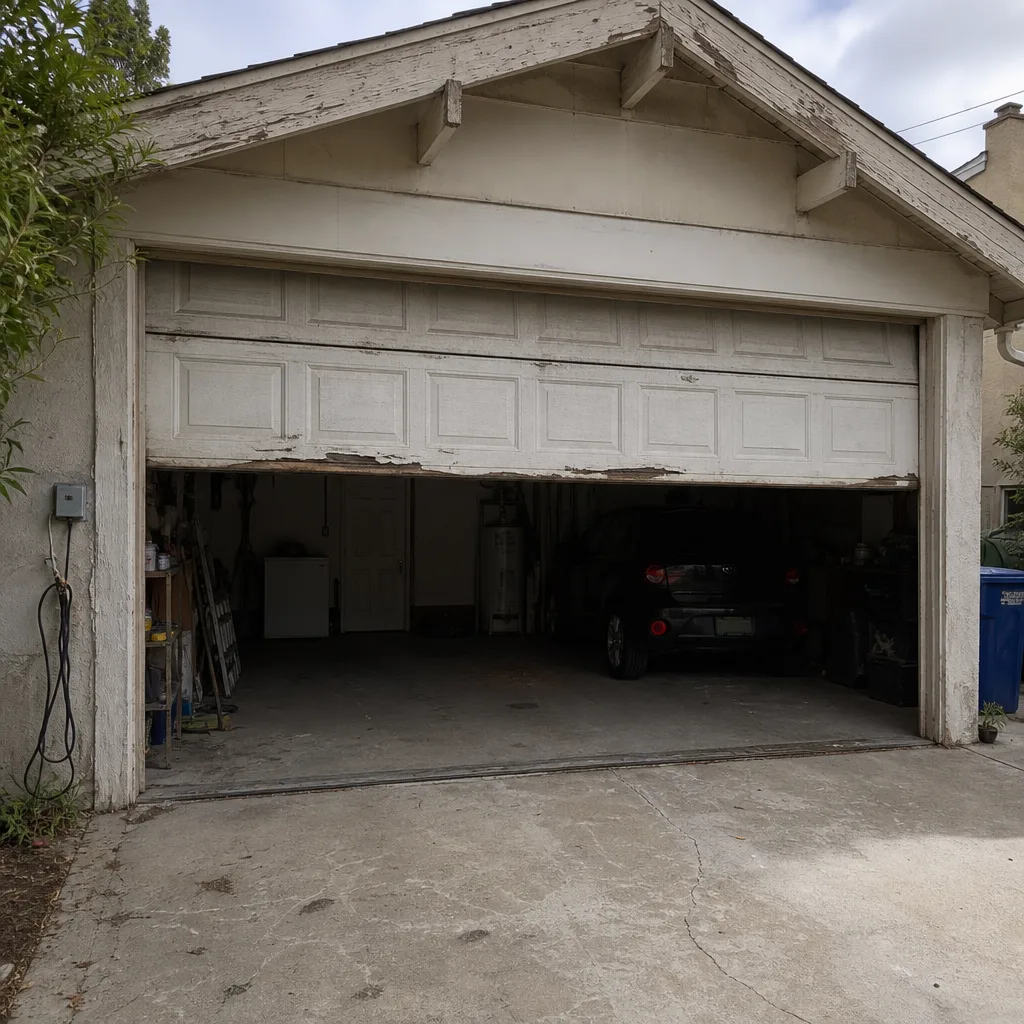 Before
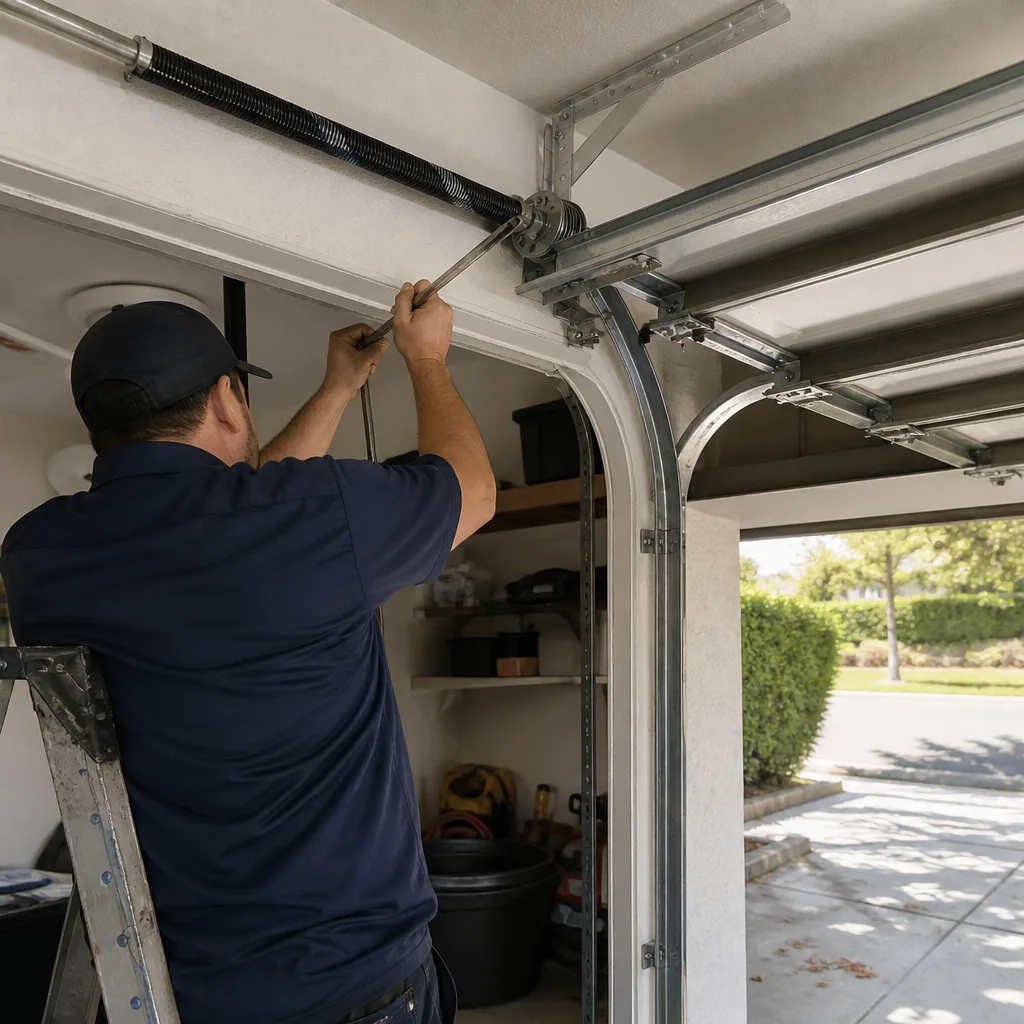 After
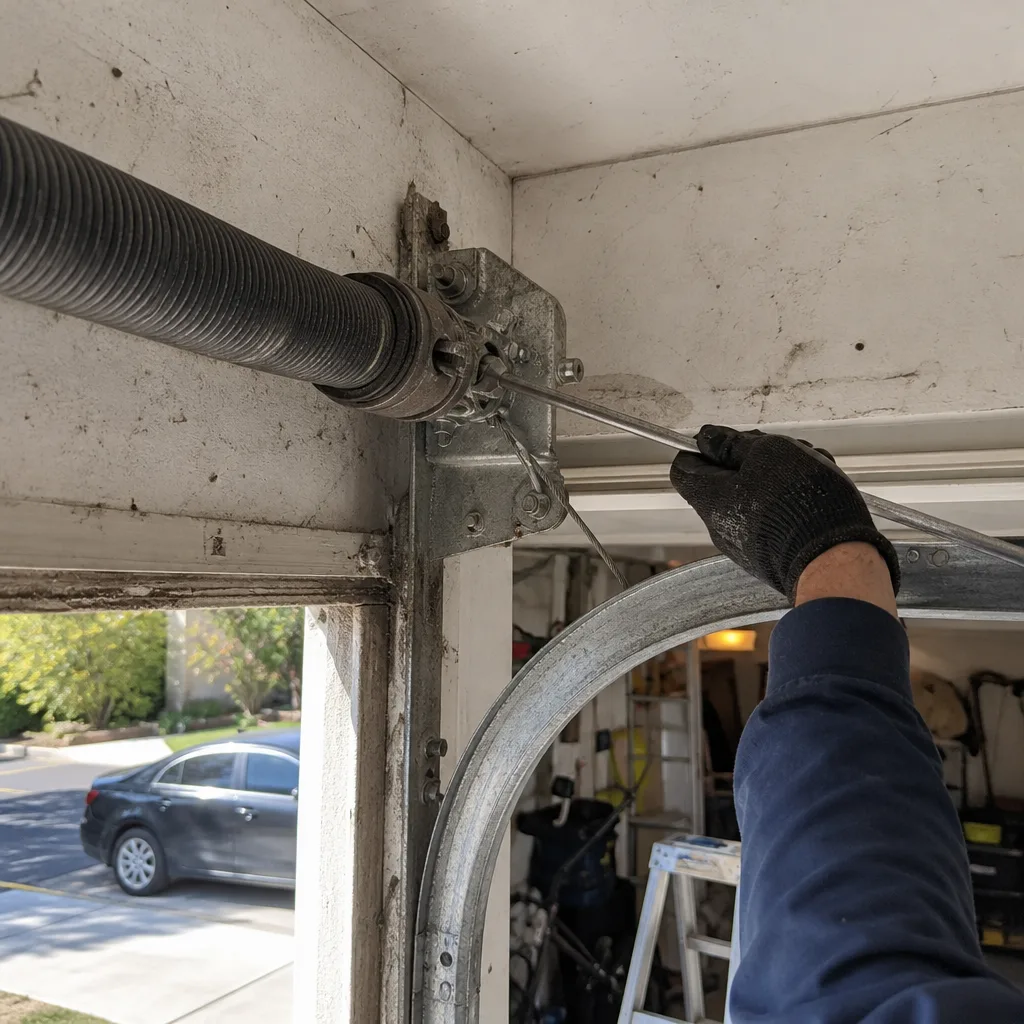 Before
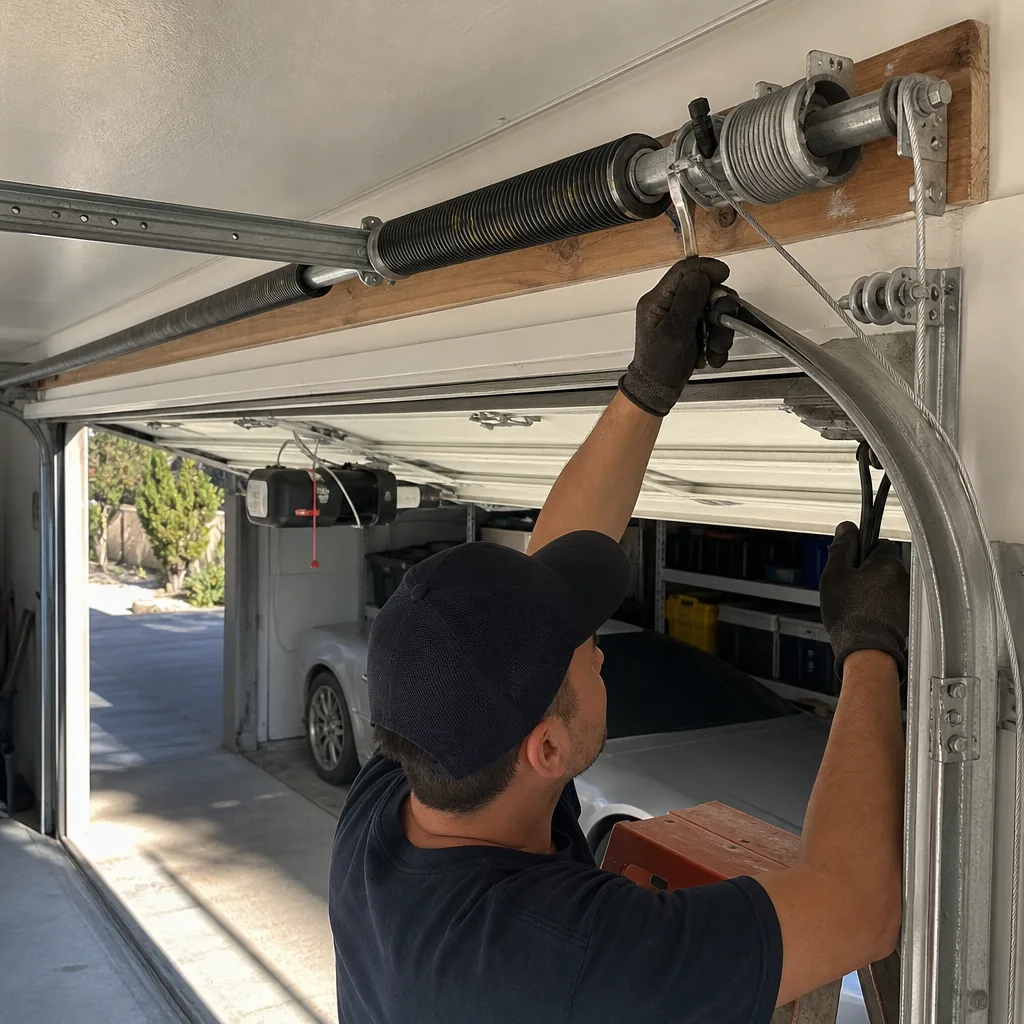 After